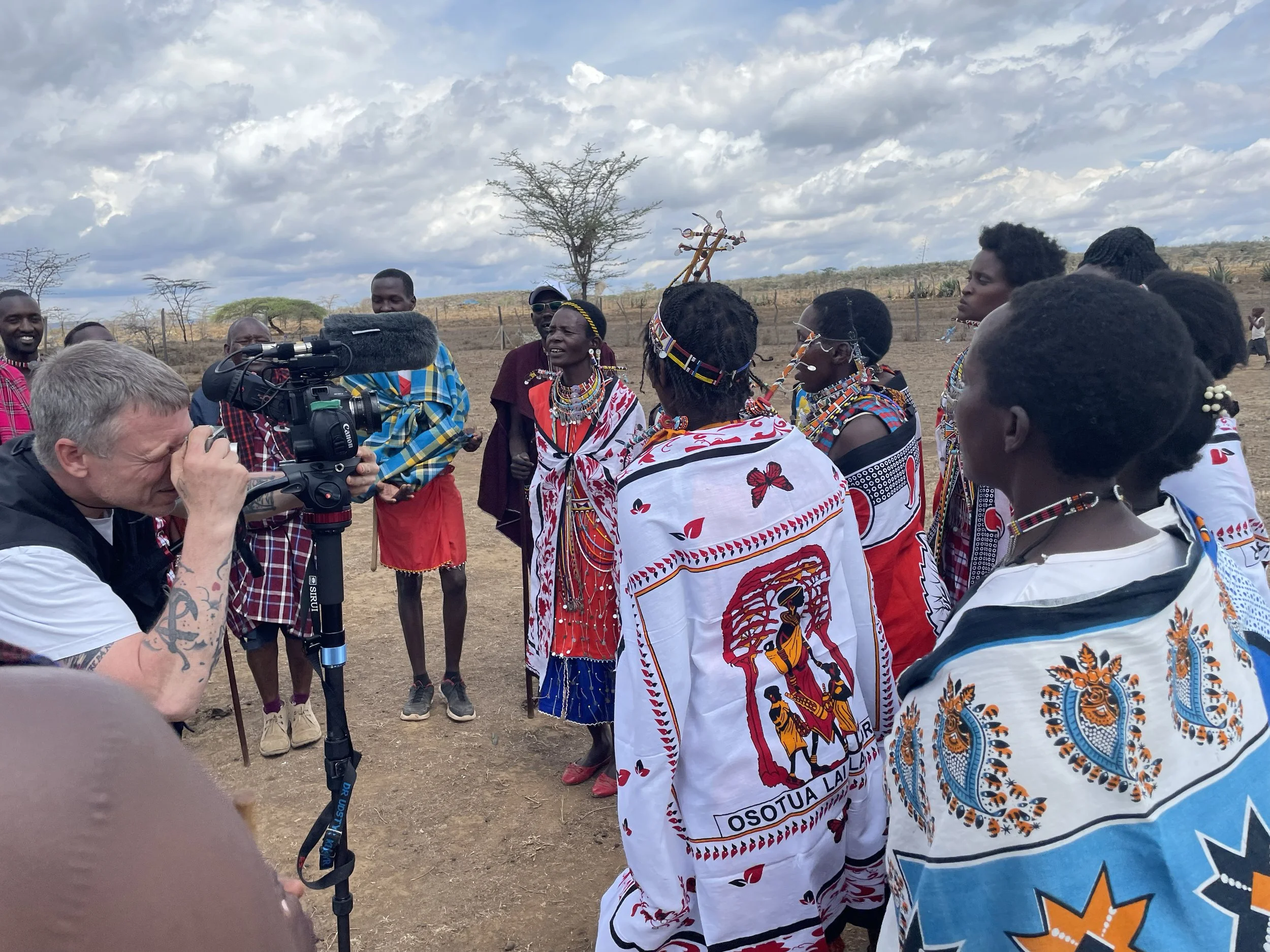
Cave_Bureau, Kenya
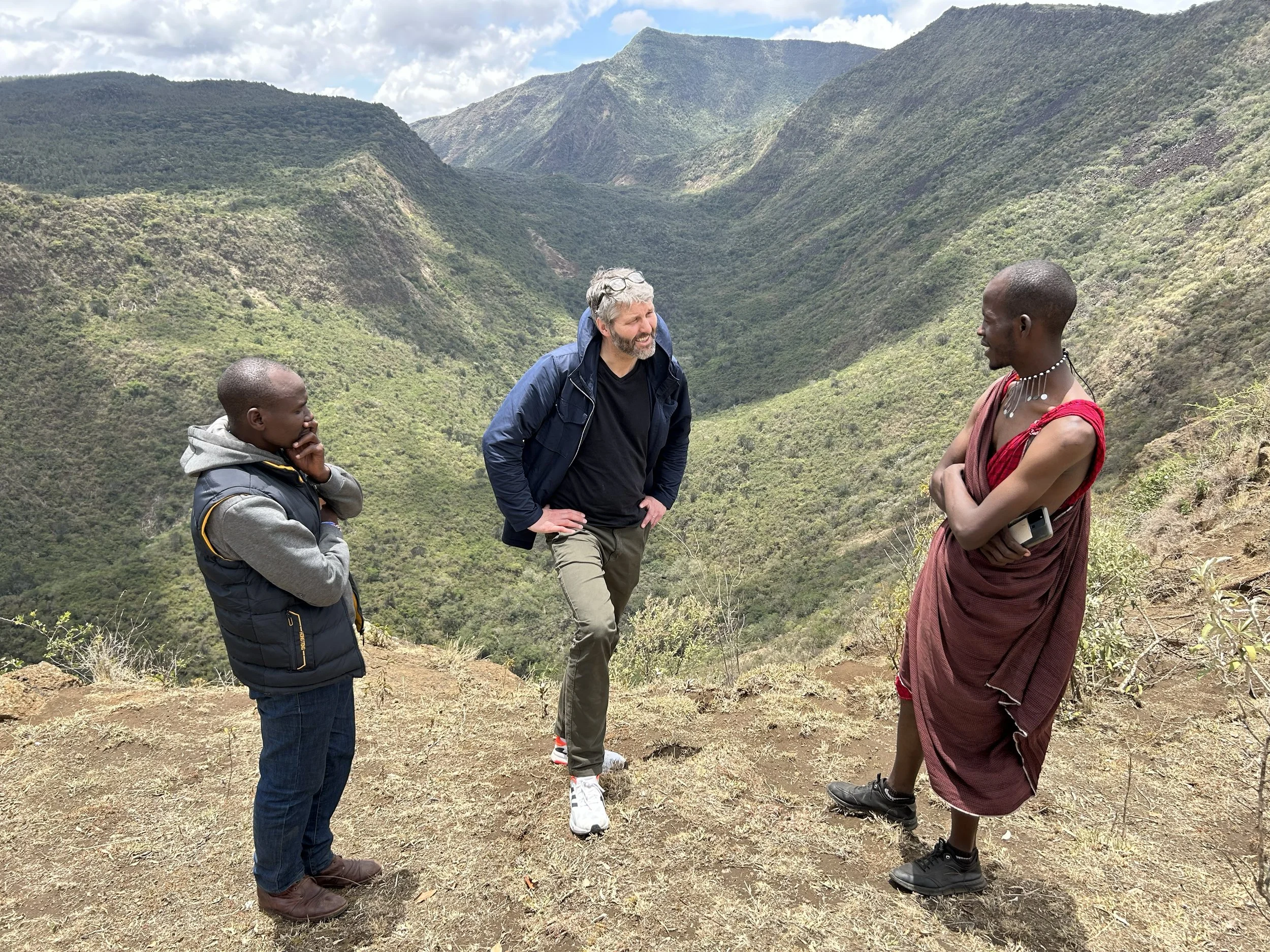
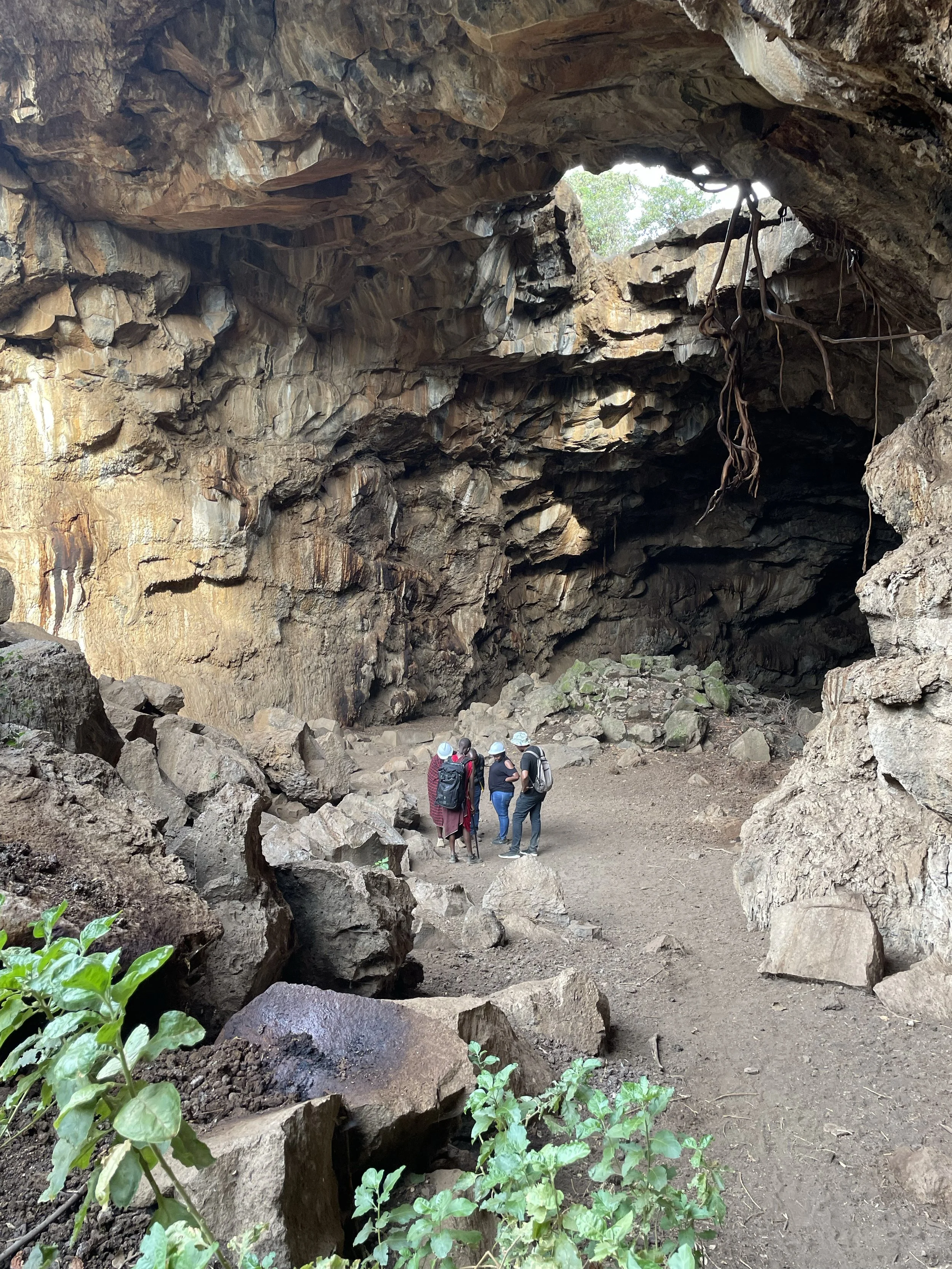
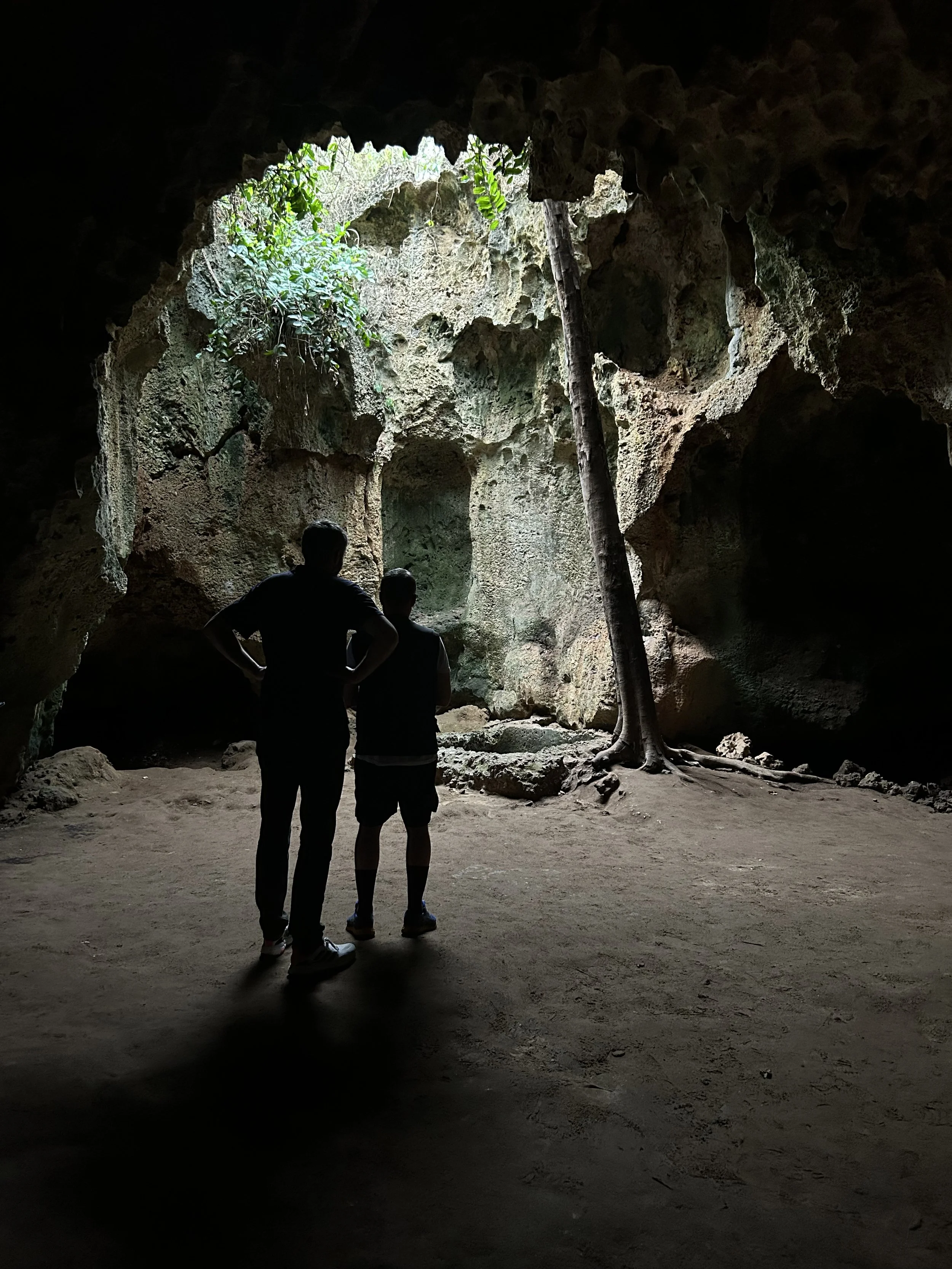
I still remember standing on the edge of a limestone cave outside Nairobi with the architects from Cave_Bureau. The air was thick and still, heavy with heat and time. Inside the cave, the light shifted slowly across the stone walls as they spoke — about colonial scars, geology, memory, and healing.
This wasn’t architecture in the conventional sense.
It wasn’t about form, function, or materials brought in from elsewhere.
It was about what was already there.
The cave wasn’t treated as an object to be redesigned, but as a presence to be understood. A space shaped over thousands — sometimes millions — of years. A place that had witnessed human emergence, ritual, displacement, and survival. Listening to them, it became clear that this work wasn’t just architectural practice — it was resistance, translated into spatial thinking.
Filming that project felt like standing at the intersection of something urgent and something ancient. I was carrying a camera, but it felt less like a recording device and more like a compass. Every decision — where to stand, when to move, when to stay still — felt loaded with responsibility. The light bouncing off the stone walls wasn’t just illumination; it was information.
Those walls had seen centuries of presence and absence. Long before blueprints, before borders, before extraction. I knew, instinctively, that I wasn’t there to document a building. I was there to help translate a way of thinking — about land, power, restraint, and care.
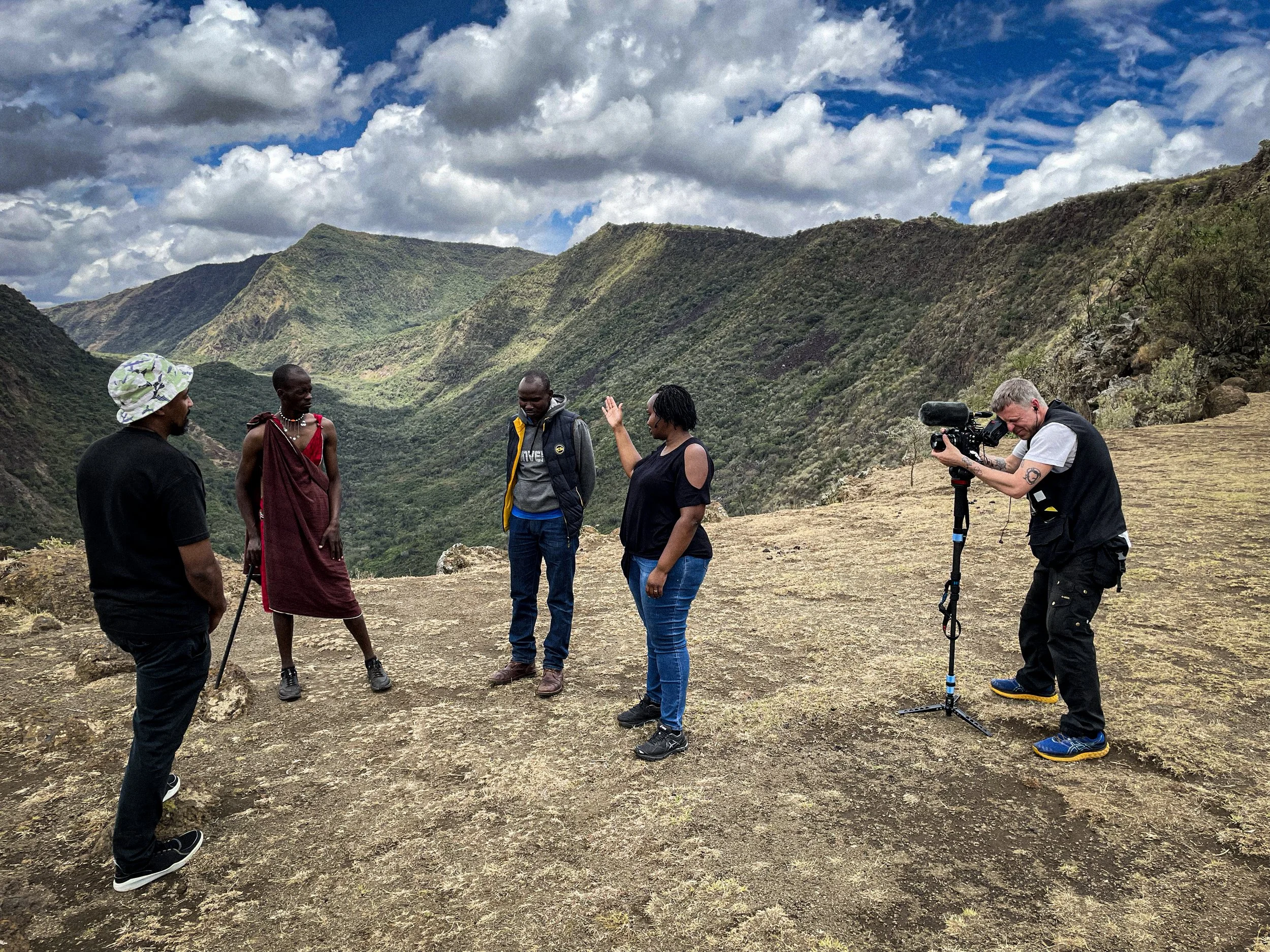
The cradle of mankind
It changed something in me.
That experience clarified what I wanted Goodwind Studio to stand for:
not adventure as spectacle, but adventure with meaning.
Stories rooted in place.
Projects that slow you down rather than speed you up.
Work that asks questions instead of offering easy answers.
Sometimes the most radical act isn’t to build something new —
but to stand still long enough to understand what already exists.
And to listen.
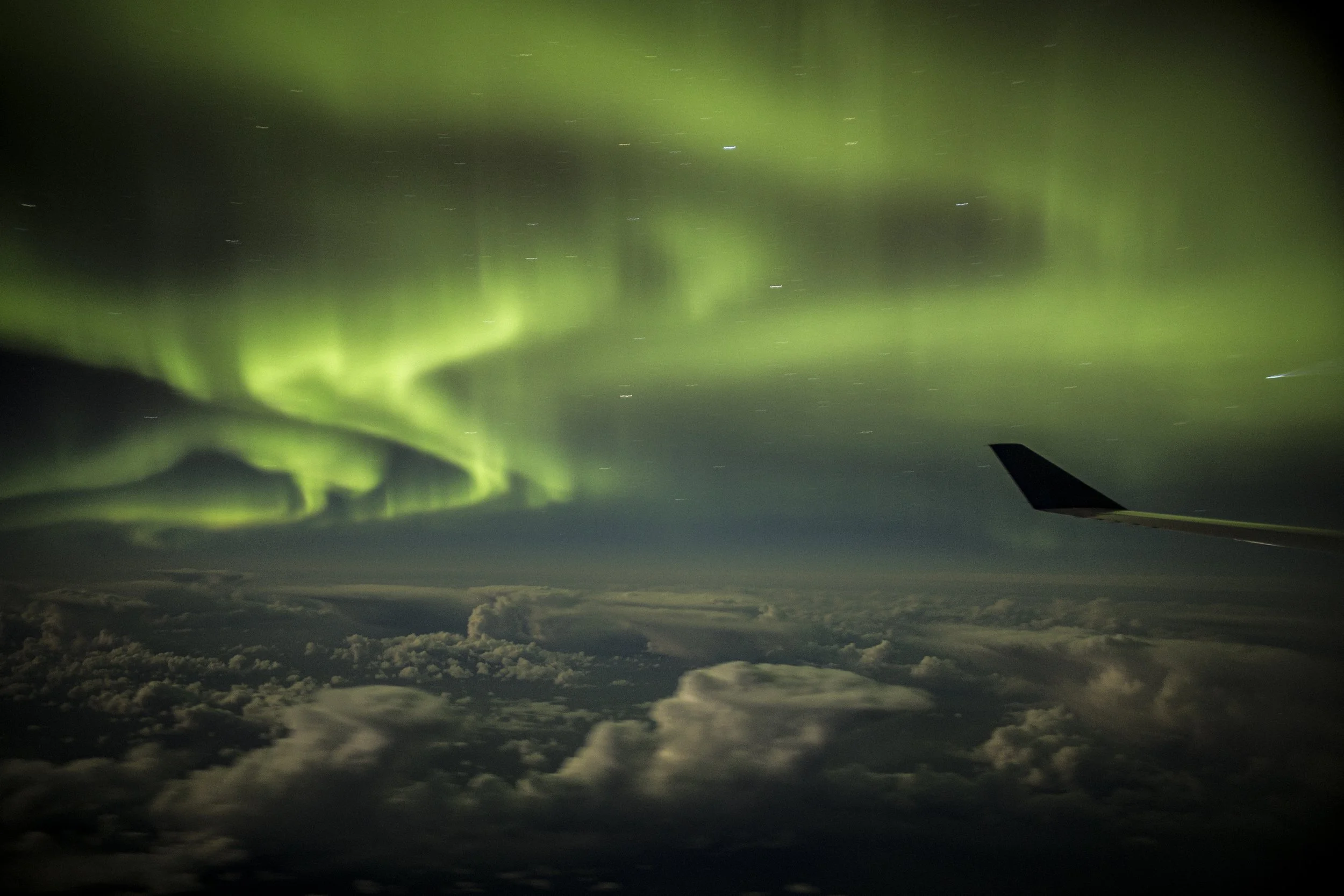
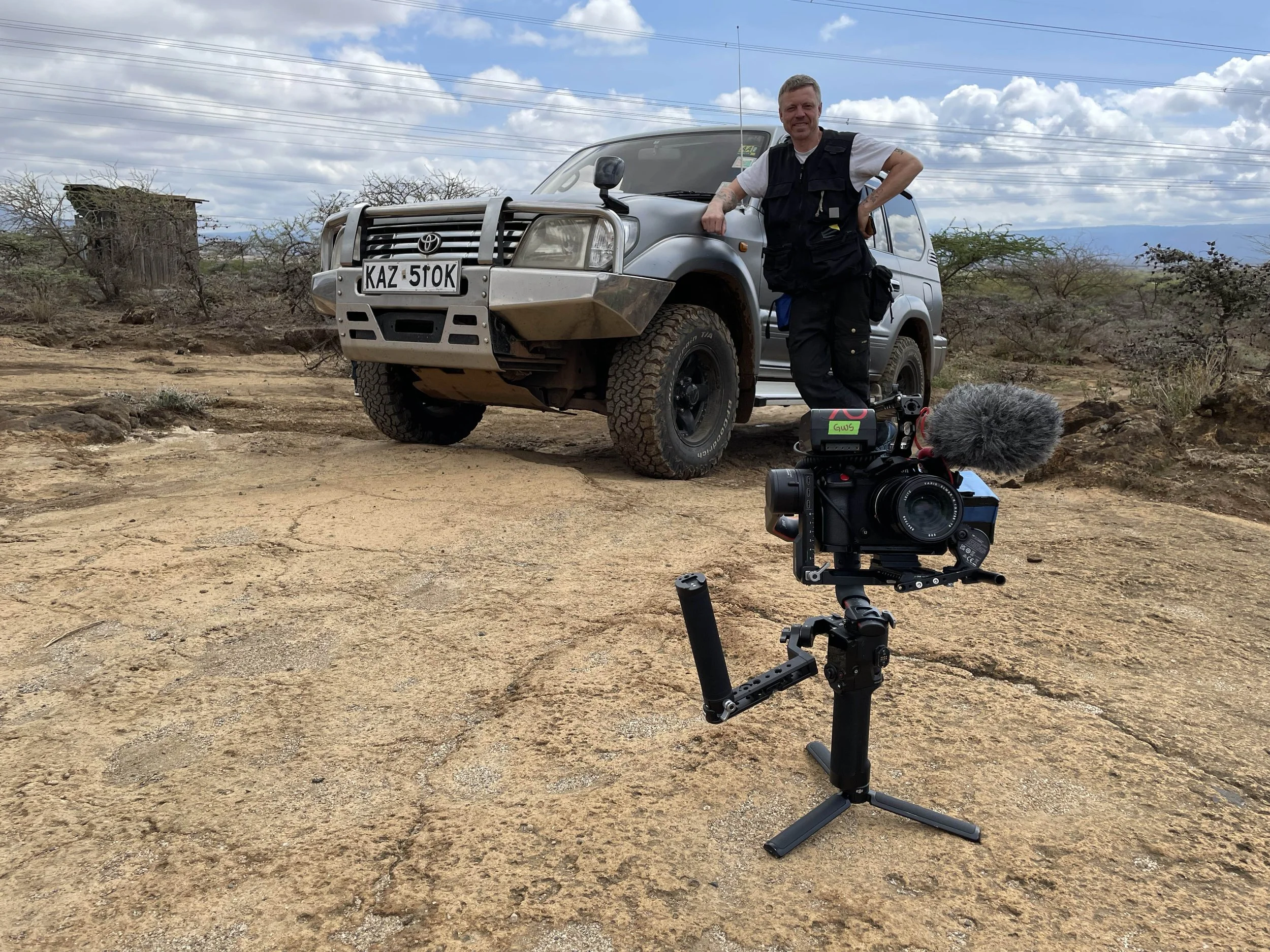
MAKE MATERIALS MATTER
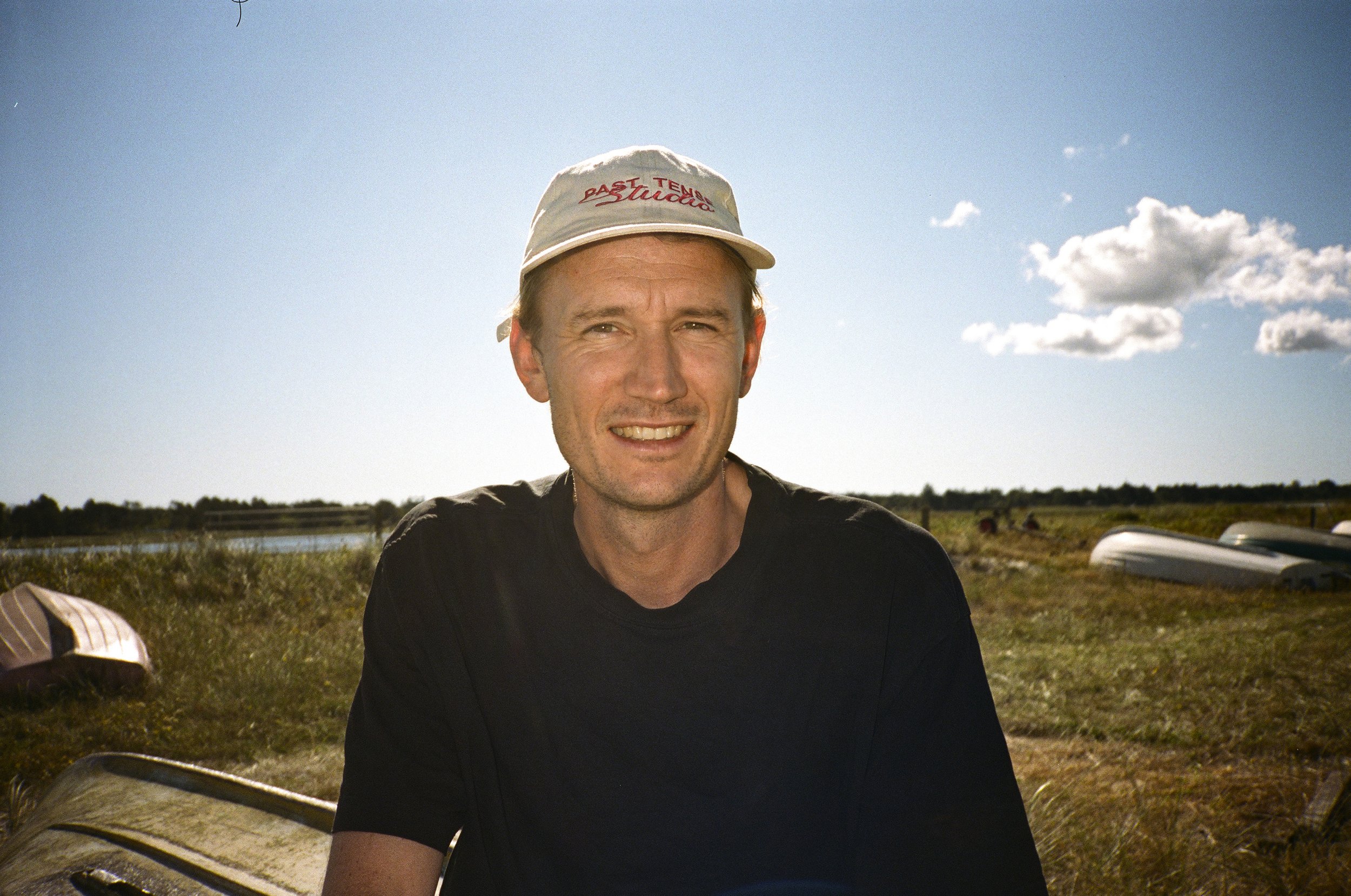
A three-year film journey with architect Søren Pihlmann
by Simon Weyhe / Goodwind Studio - Marc Wagner / Louisiana Channel
Very early on, I realised we weren’t documenting a finished idea — we were stepping into a process that was still being shaped, tested, broken open, and reinvented. A story that changed shape every time we showed up.
For a long time, I struggled to understand where the project was heading. I kept looking for the “final form” — the clean arc you expect in a documentary.
But the more time I spent with Søren, the more I understood that Søren didn’t know the ending either — and that was the whole point.
Not because he was lost. But because this is how he works.
He keeps the process open.
He stays responsive.
He allows new ideas to enter, even late.
He listens to materials before he instructs them.
He creates the space for something unique to emerge — something you could never fully plan for.
Once I saw that, the film revealed itself.
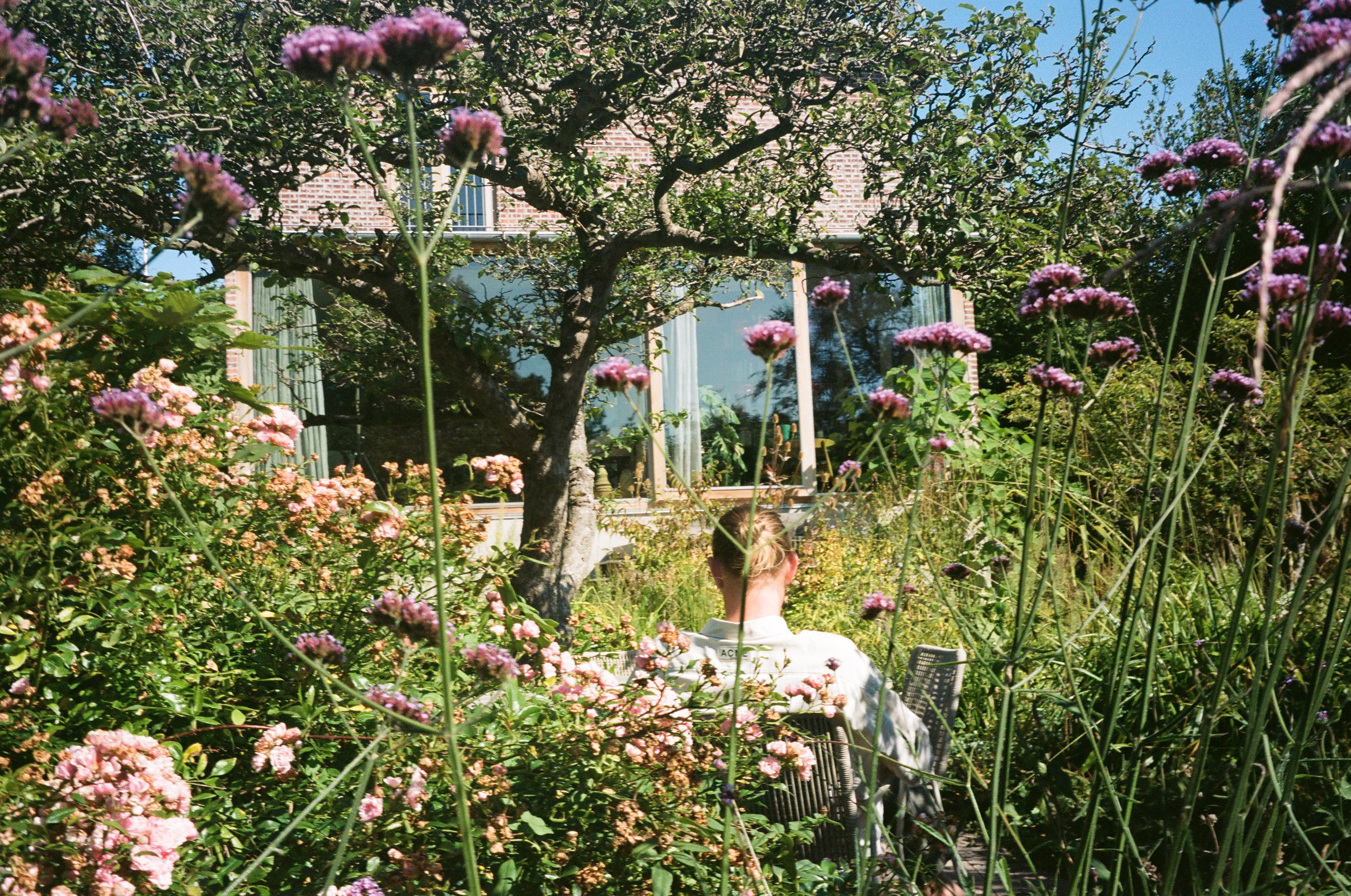
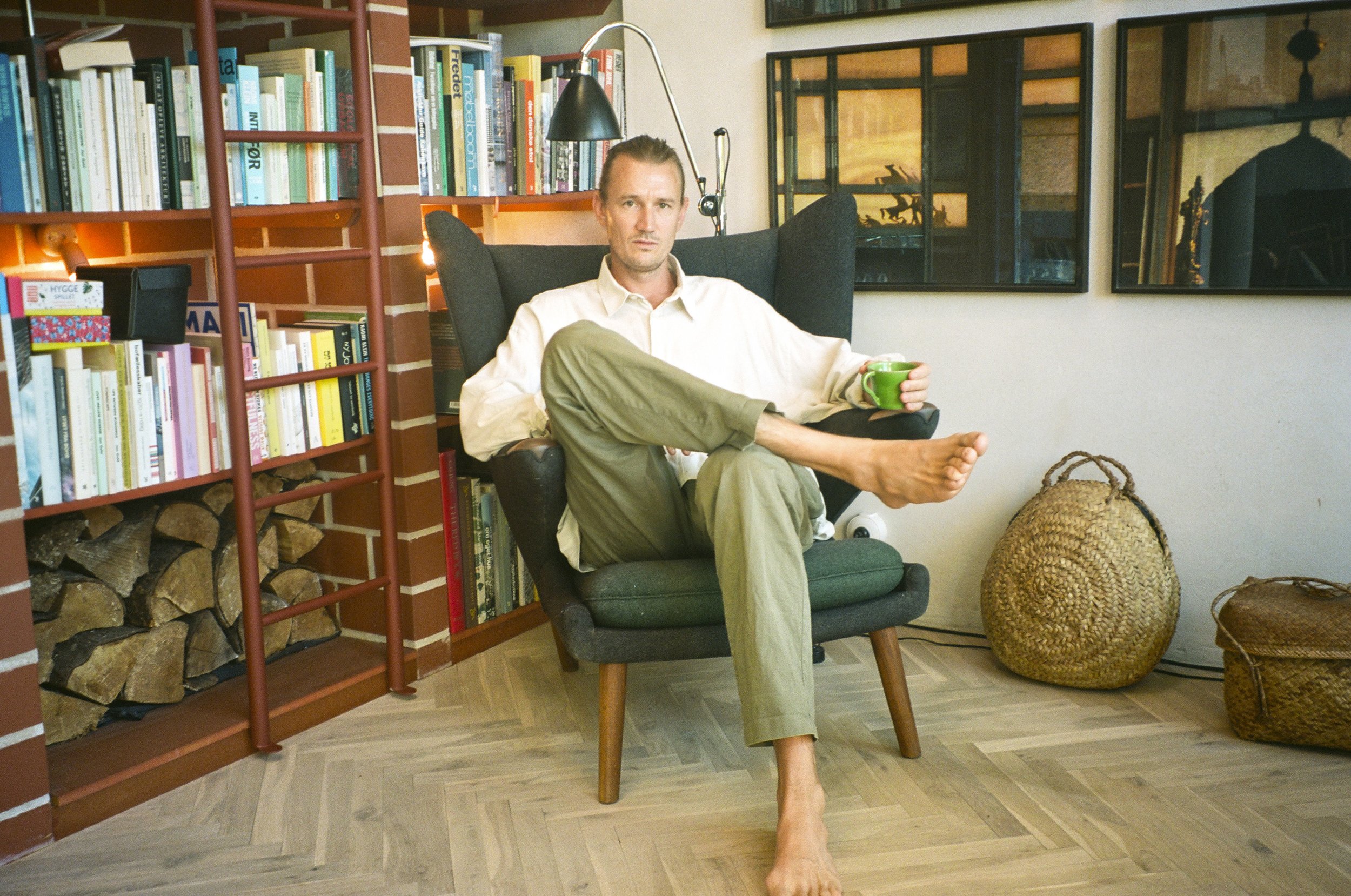
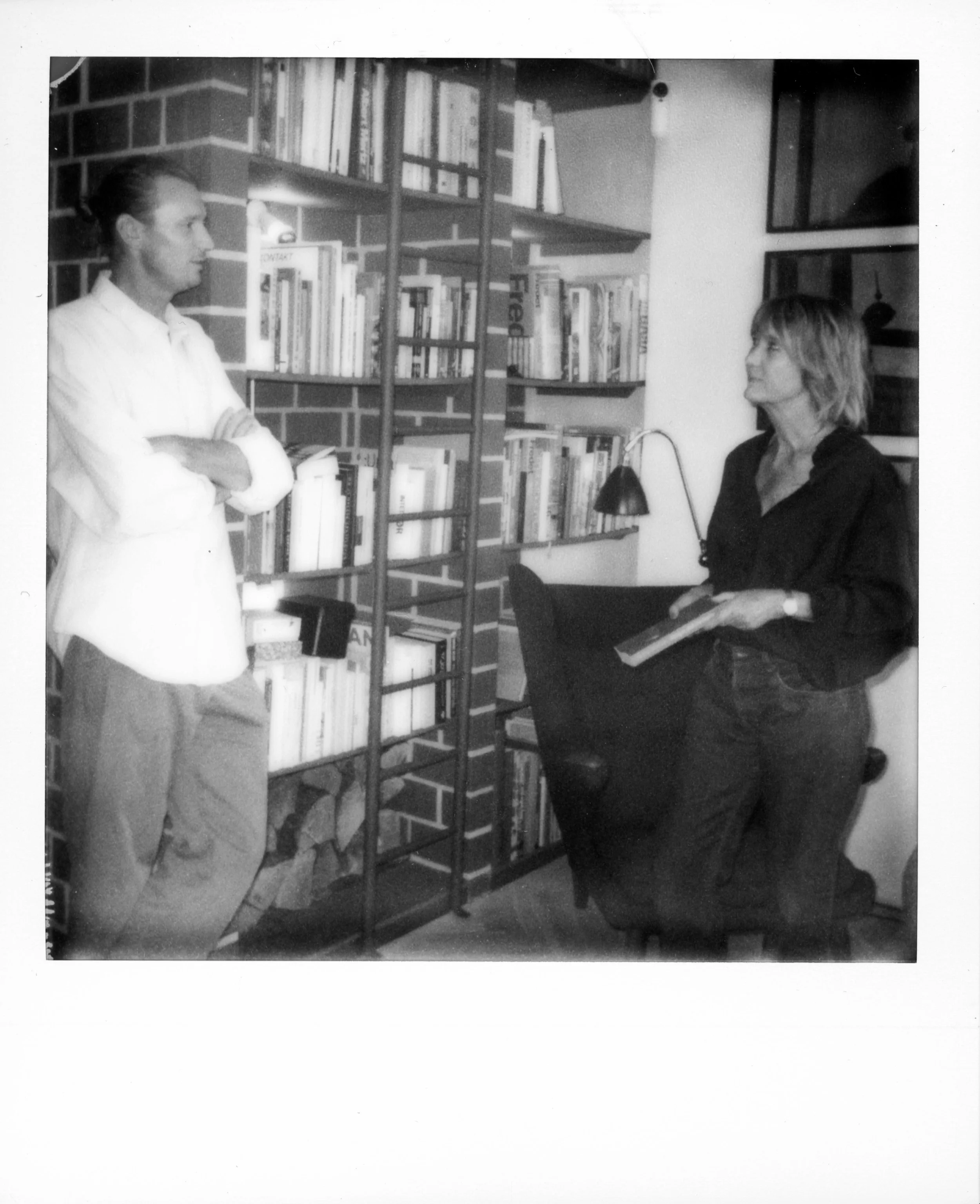
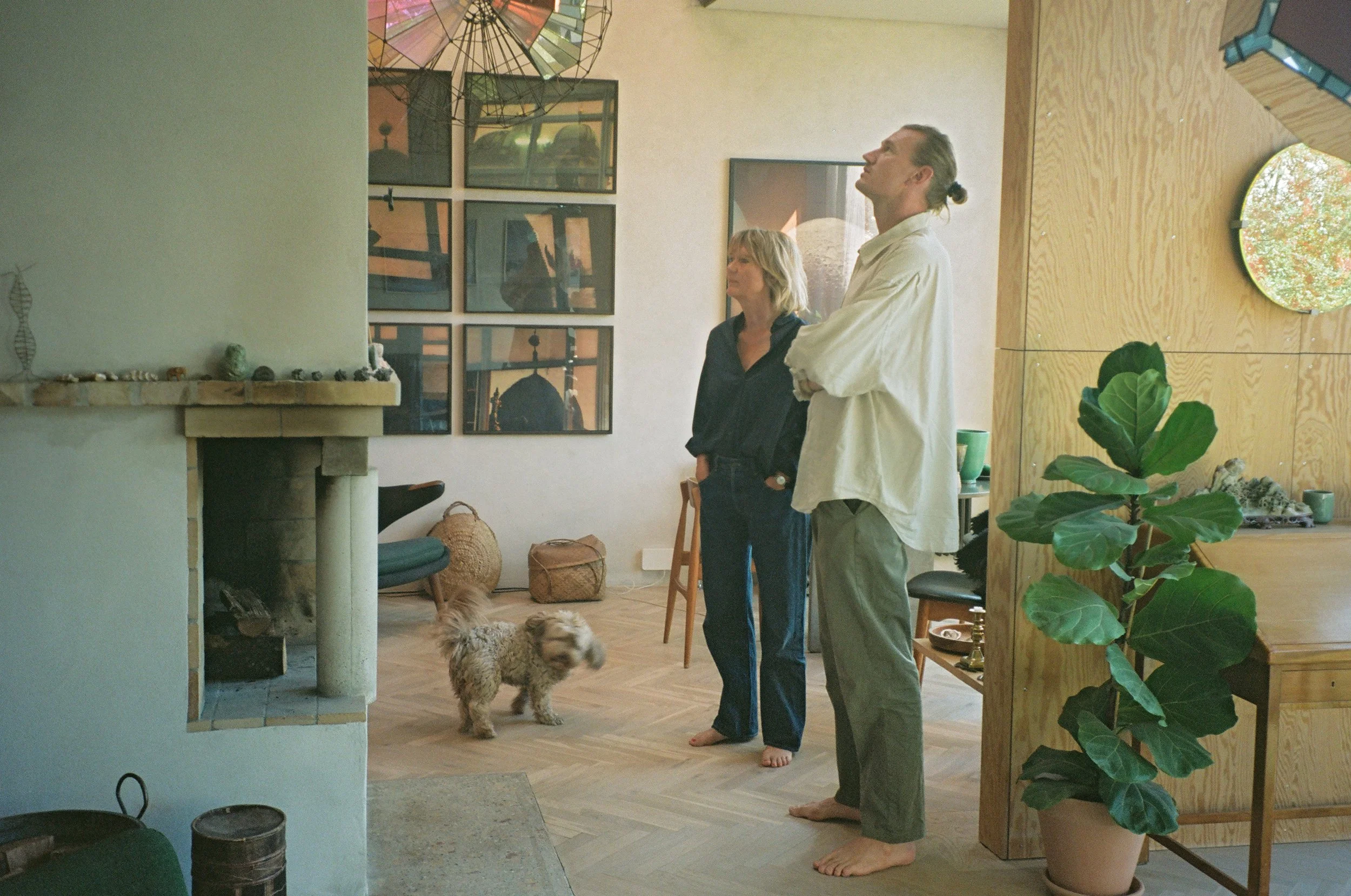
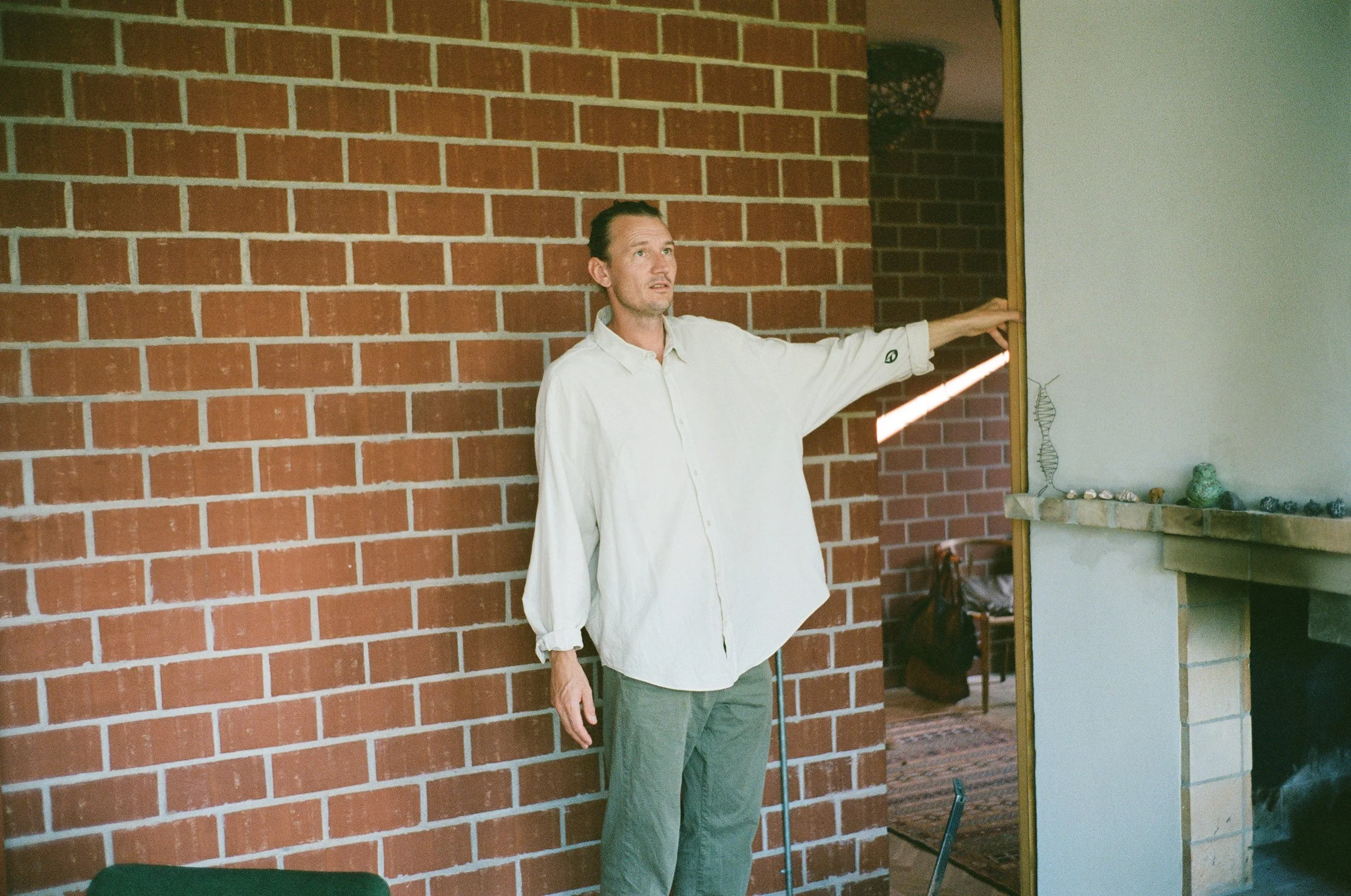
The Travel Became the Story. This wasn’t a one-location project.
It was a three-year journey across four countries, following Søren wherever the work demanded clarity:
🇩🇰 Denmark — where the thinking began
The calm spaces. The conversations. The first questions about what existing materials could still become.
🇮🇹 Venice — the heart of the laboratory
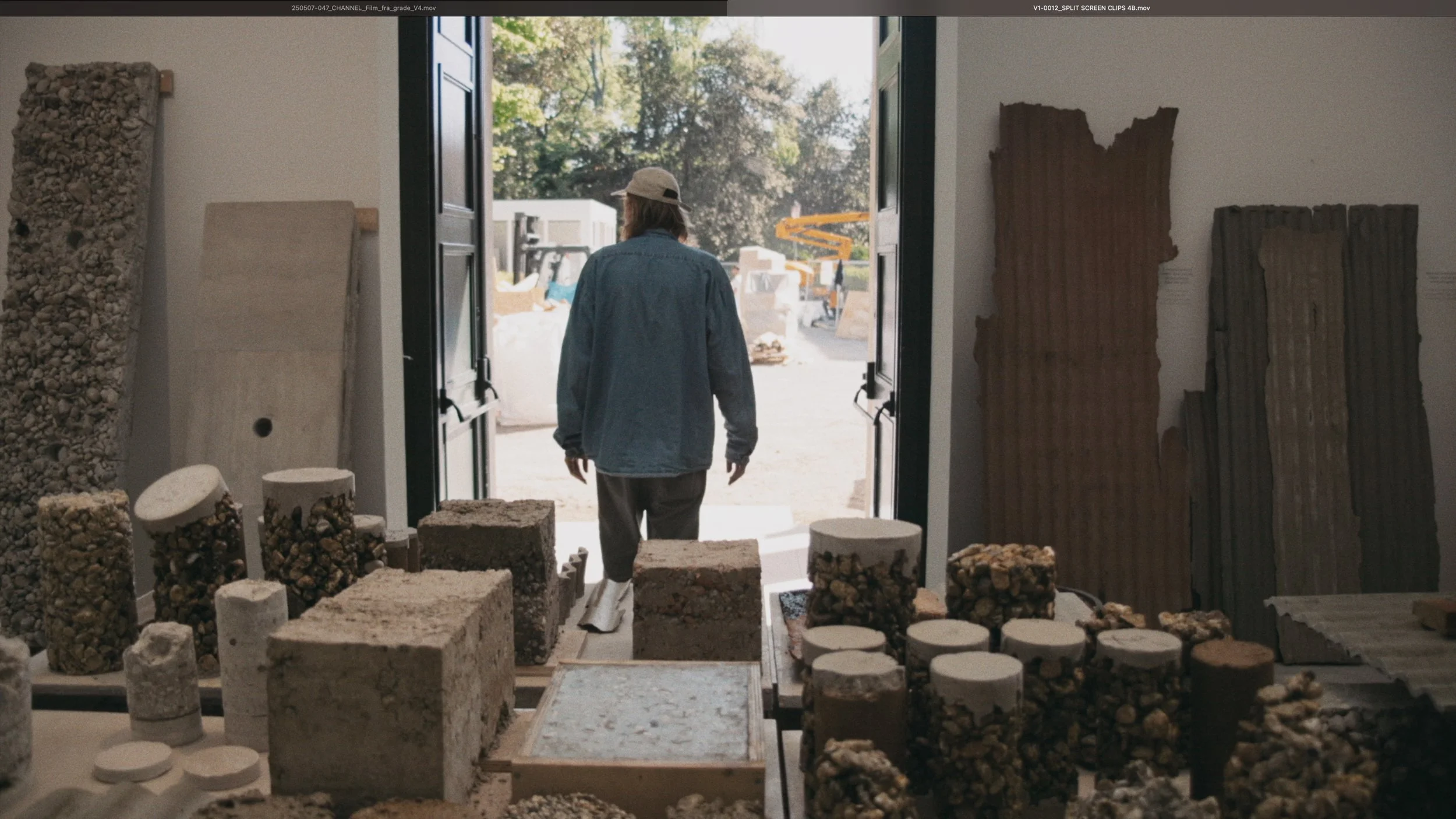
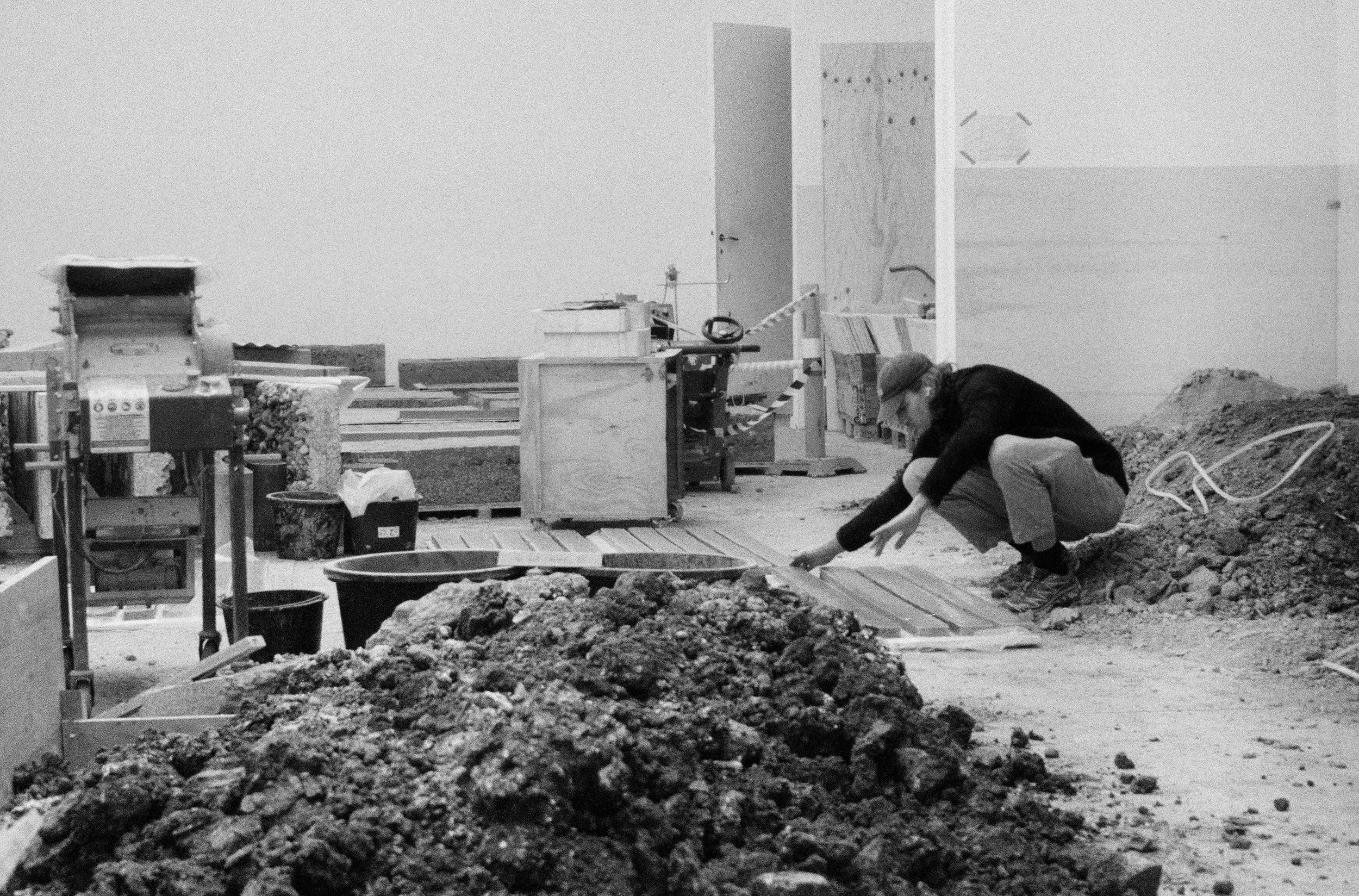
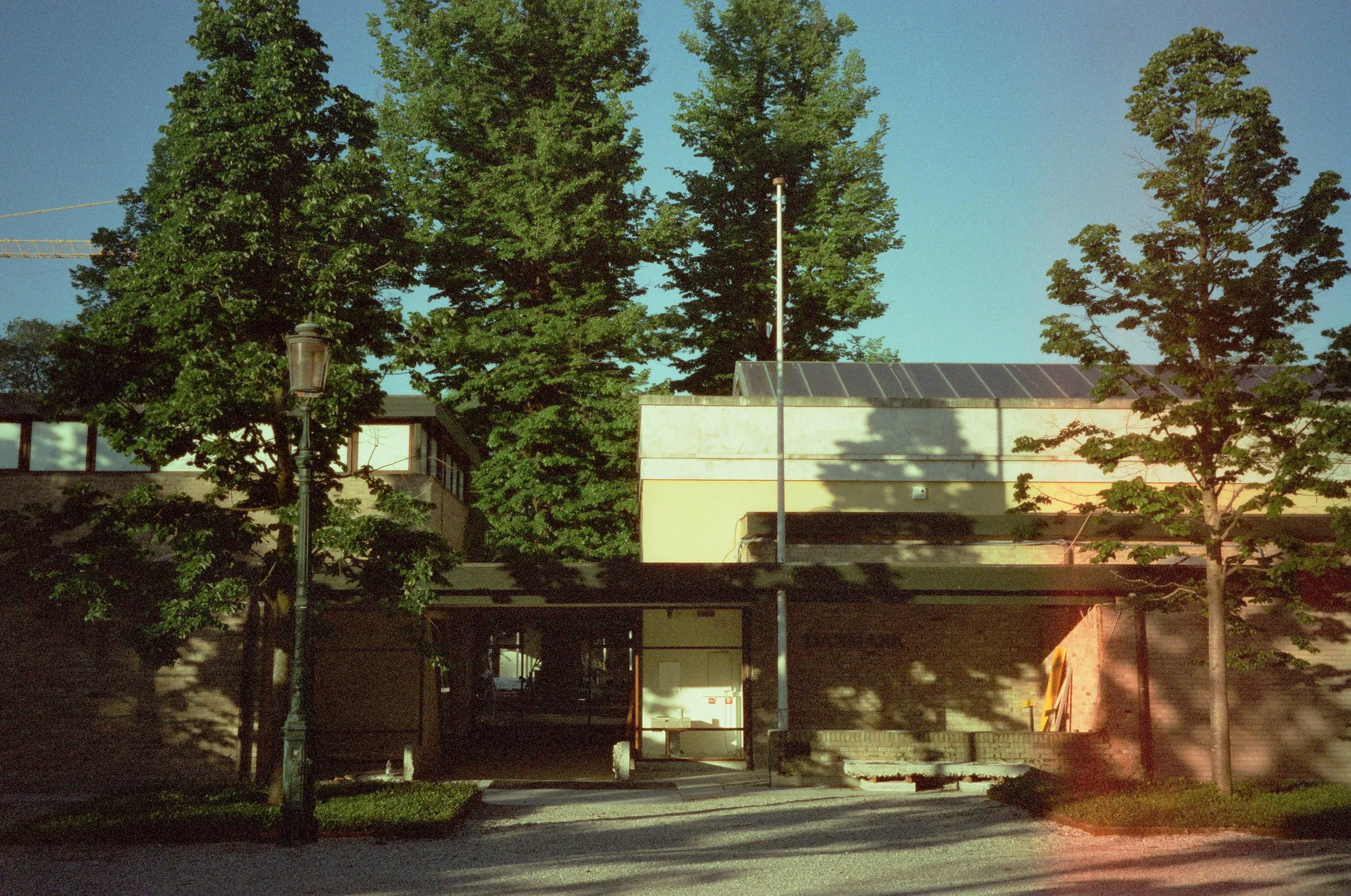
Around twelve trips. Early boats, late nights, fog, heat, dust. Every visit, the pavilion had transformed.
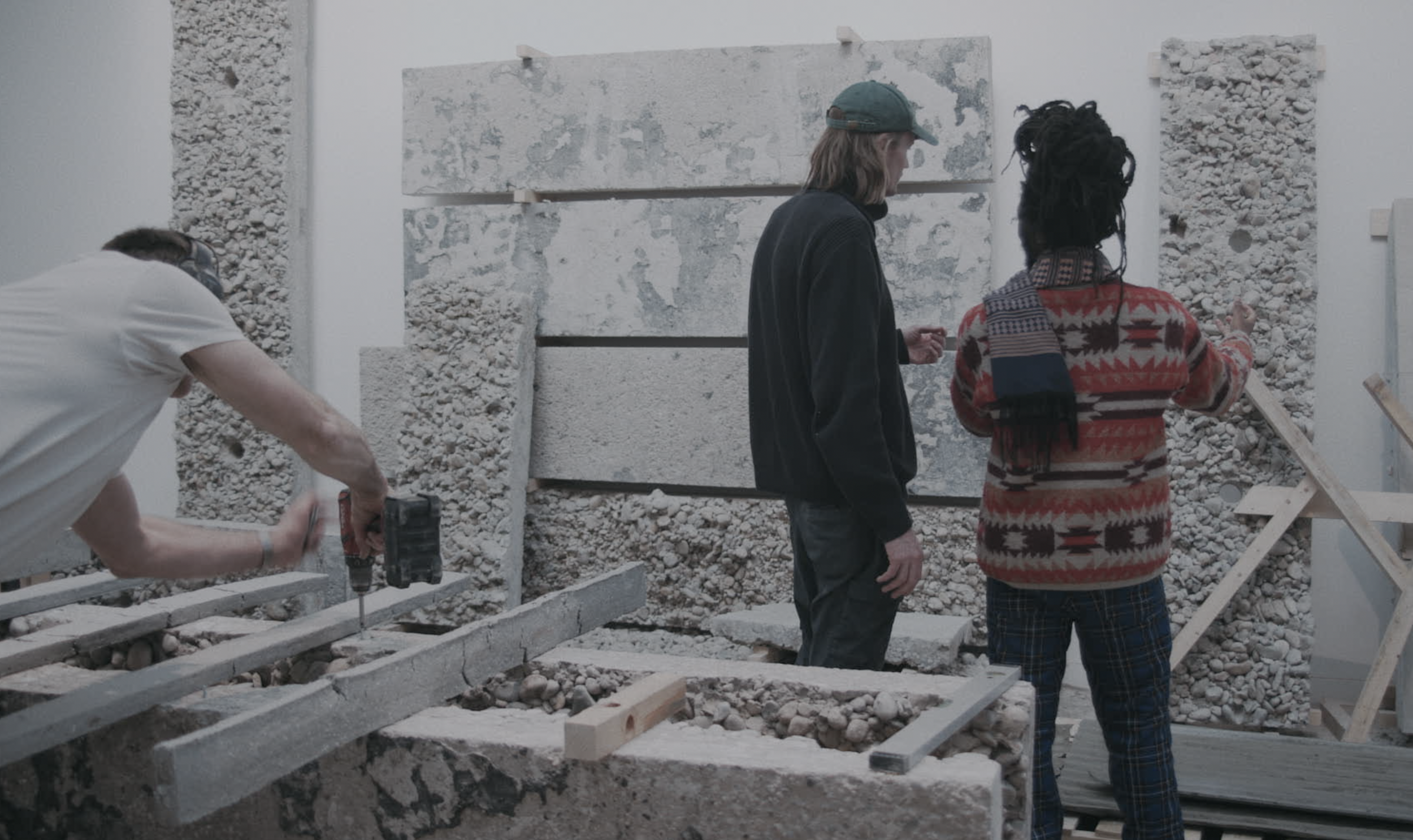
Walls opened. Materials broken down, lifted, tested, rebuilt. The building itself became the exhibition.
🇫🇮 Finland — field research, origins, raw matter
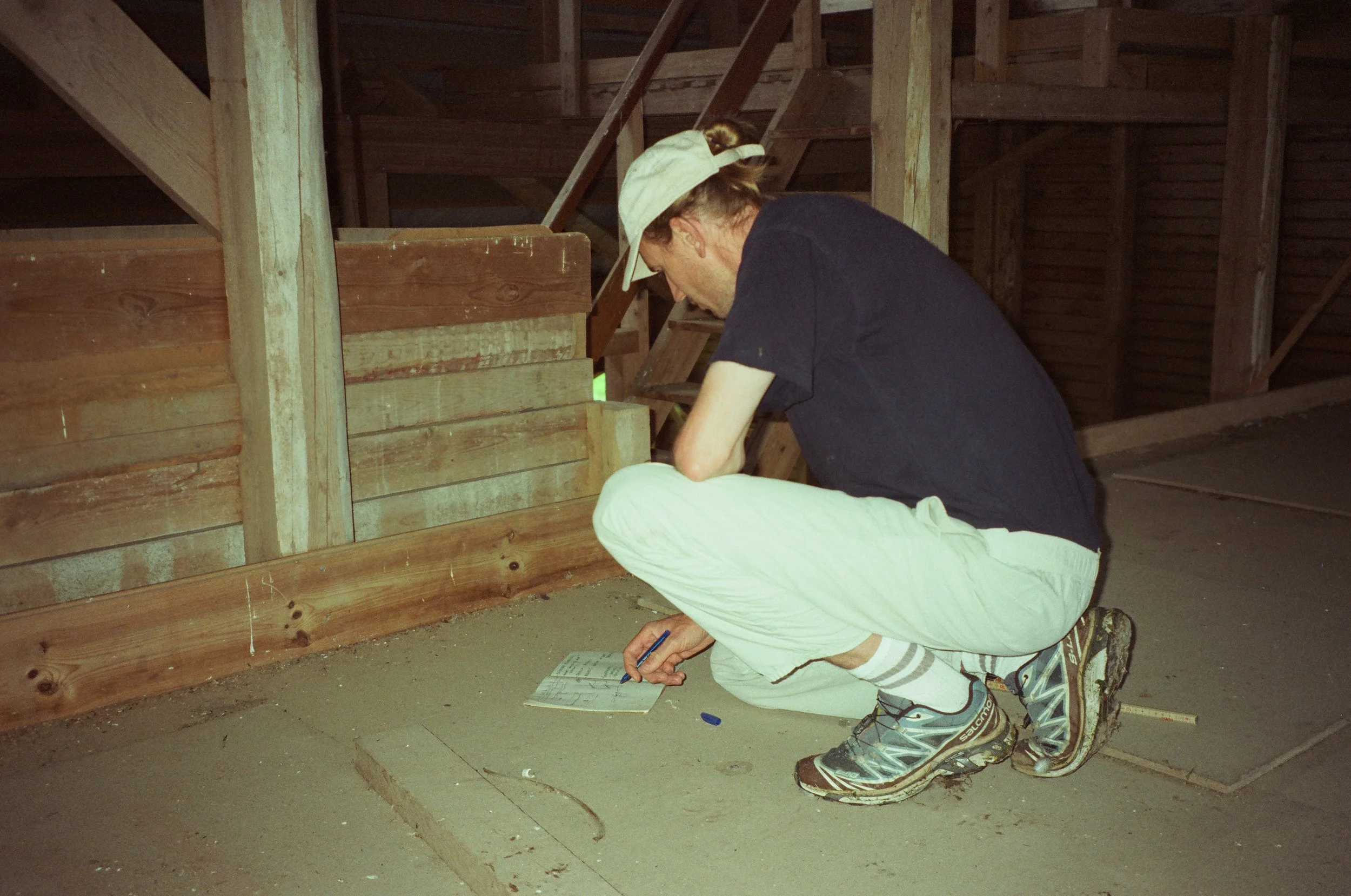
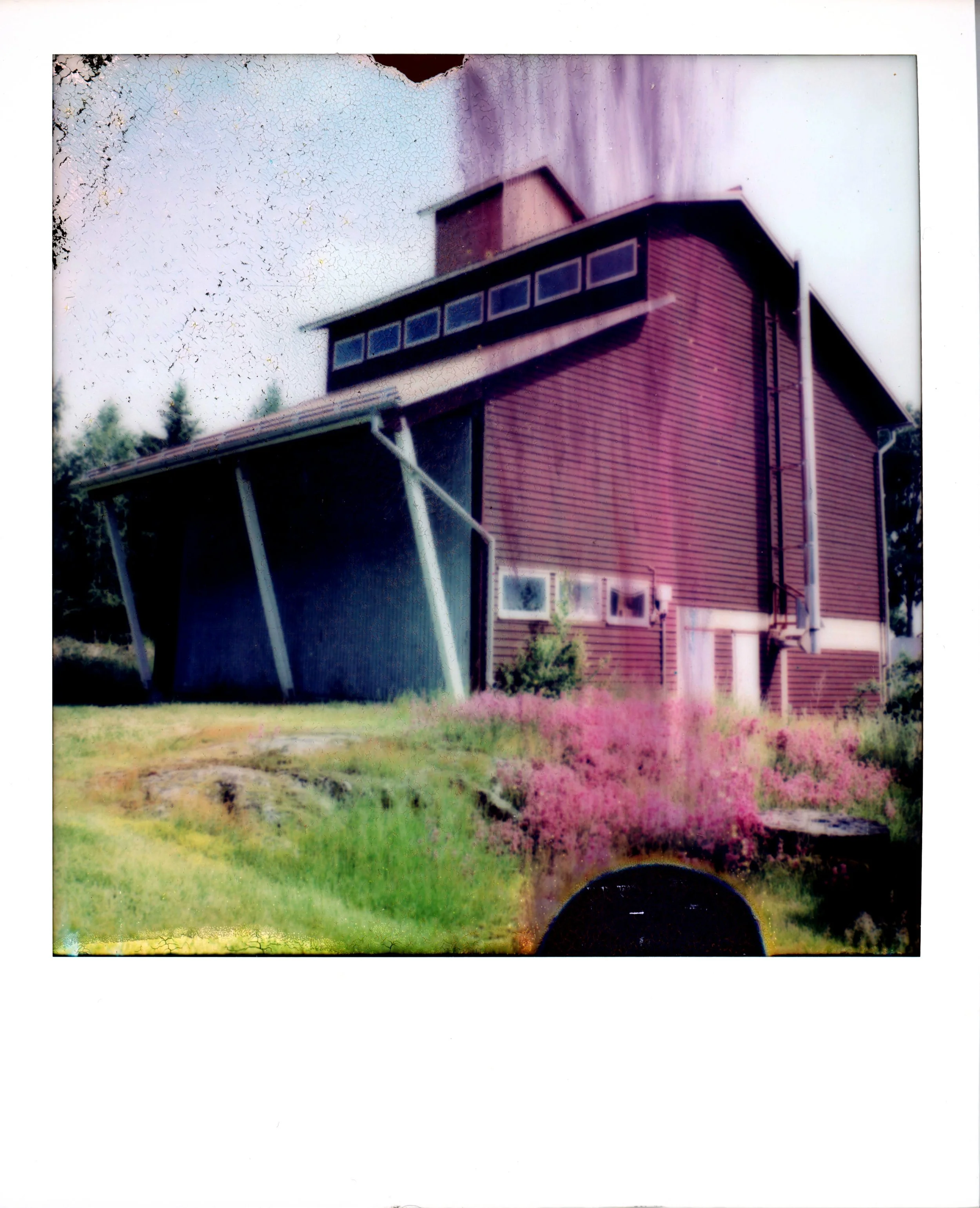
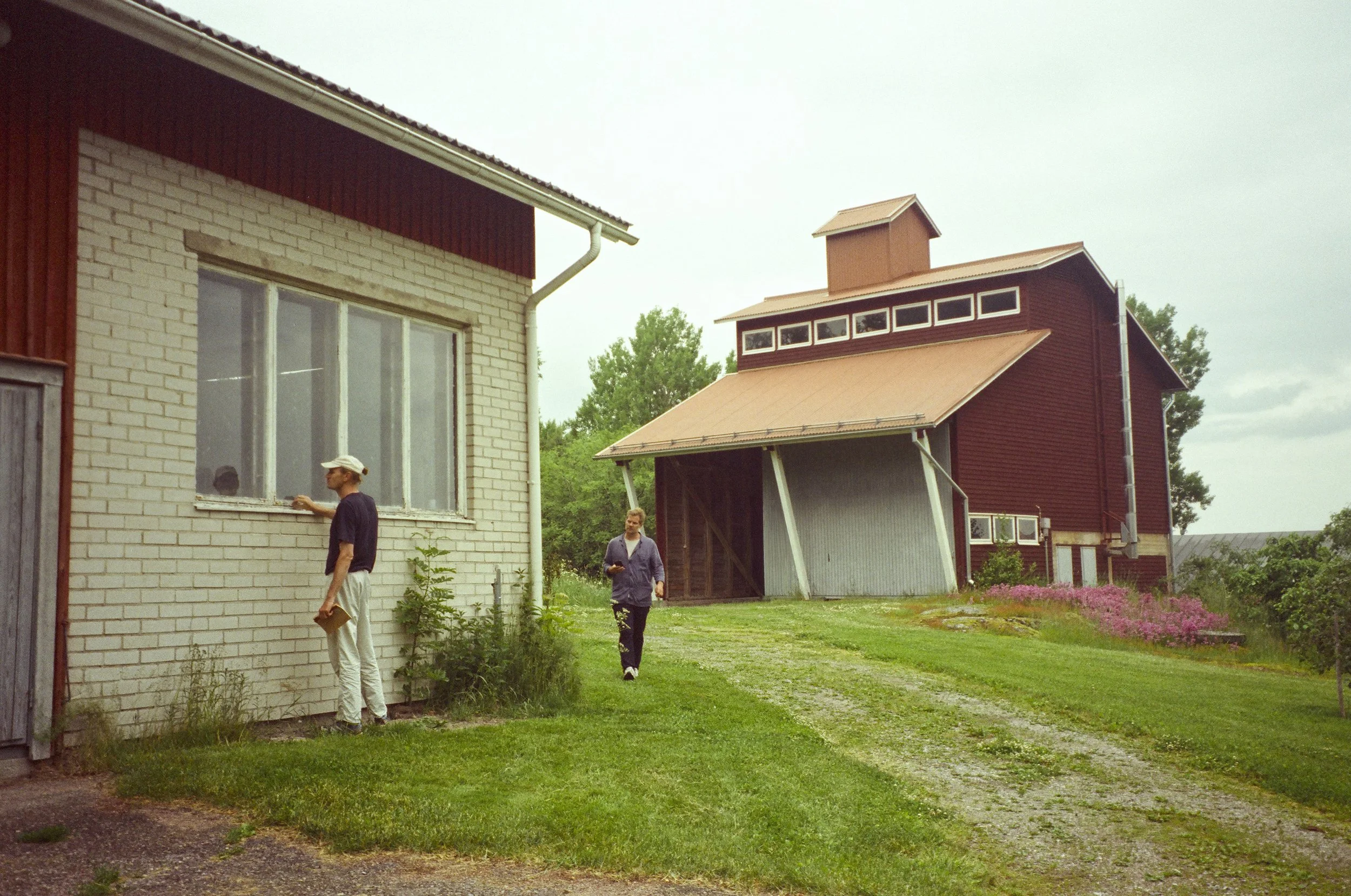
Old barns, frozen landscapes, piles of forgotten materials. People walking across gravel yards with samples in their hands.
Moments where the philosophy suddenly became physical: “The future might lie in what we’ve already produced.”
🇨🇭 Switzerland — conversations, labs, knowledge
Architecture, research, structure, clarity. Where ideas became systems.
Where the process sharpened into something that could guide the project forward.
Every place revealed a different layer of the same idea: Understand the existing to predict the future.
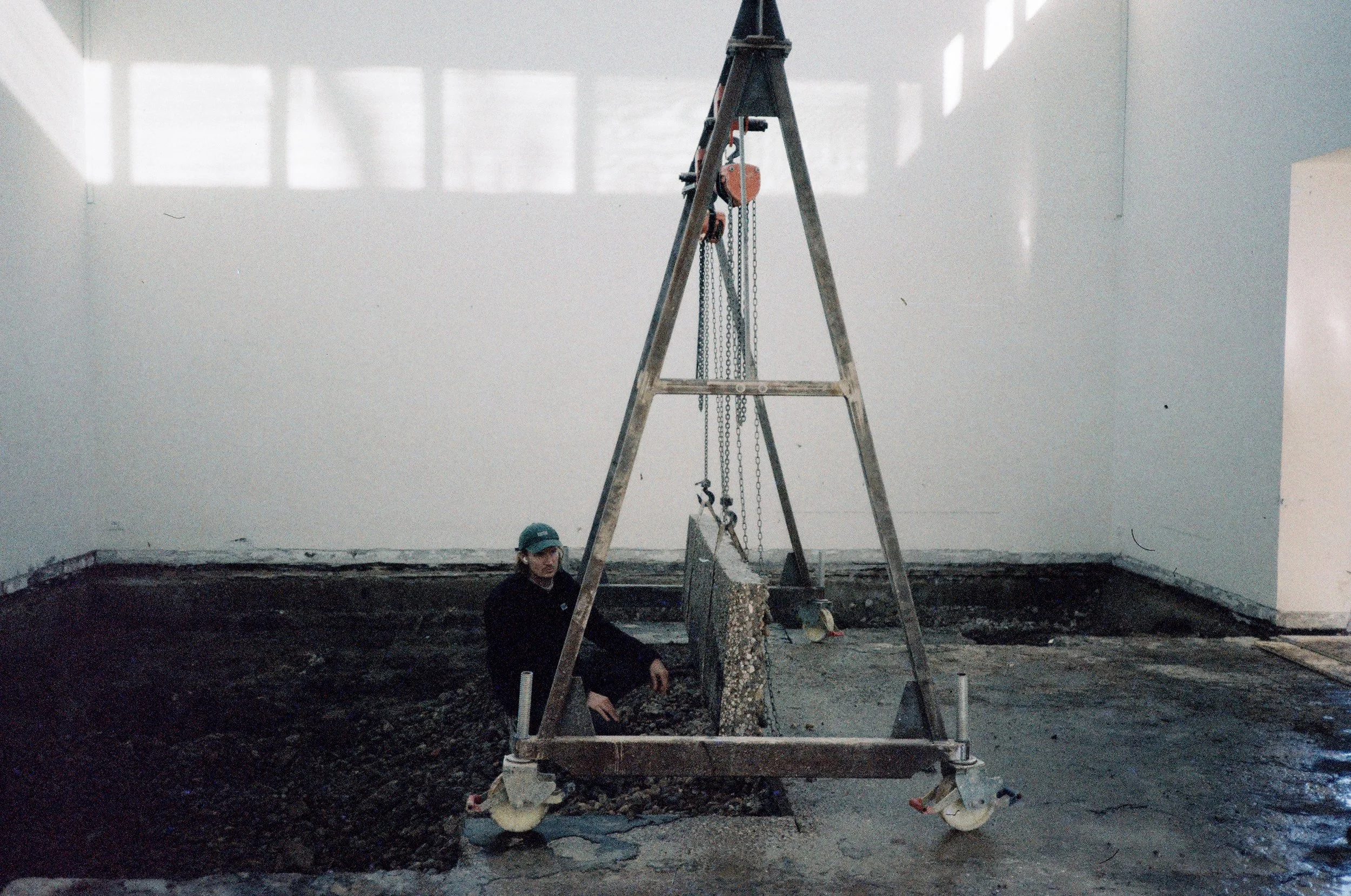

A GWS Production — instinct over planning
No big crew. No heavy setup. Just curiosity, trust, and far too many cameras.
Søren once said:
“I’ve never worked with someone who has so many cameras and is always shooting something.”
I took that as a compliment. My job was to be there before the moment arrived —
and to stay until the moment became something else.
I filmed everything: the breakthroughs, the failures, the quiet mornings, the dust in the air, the conversations that shifted the direction of the work.
And in between:
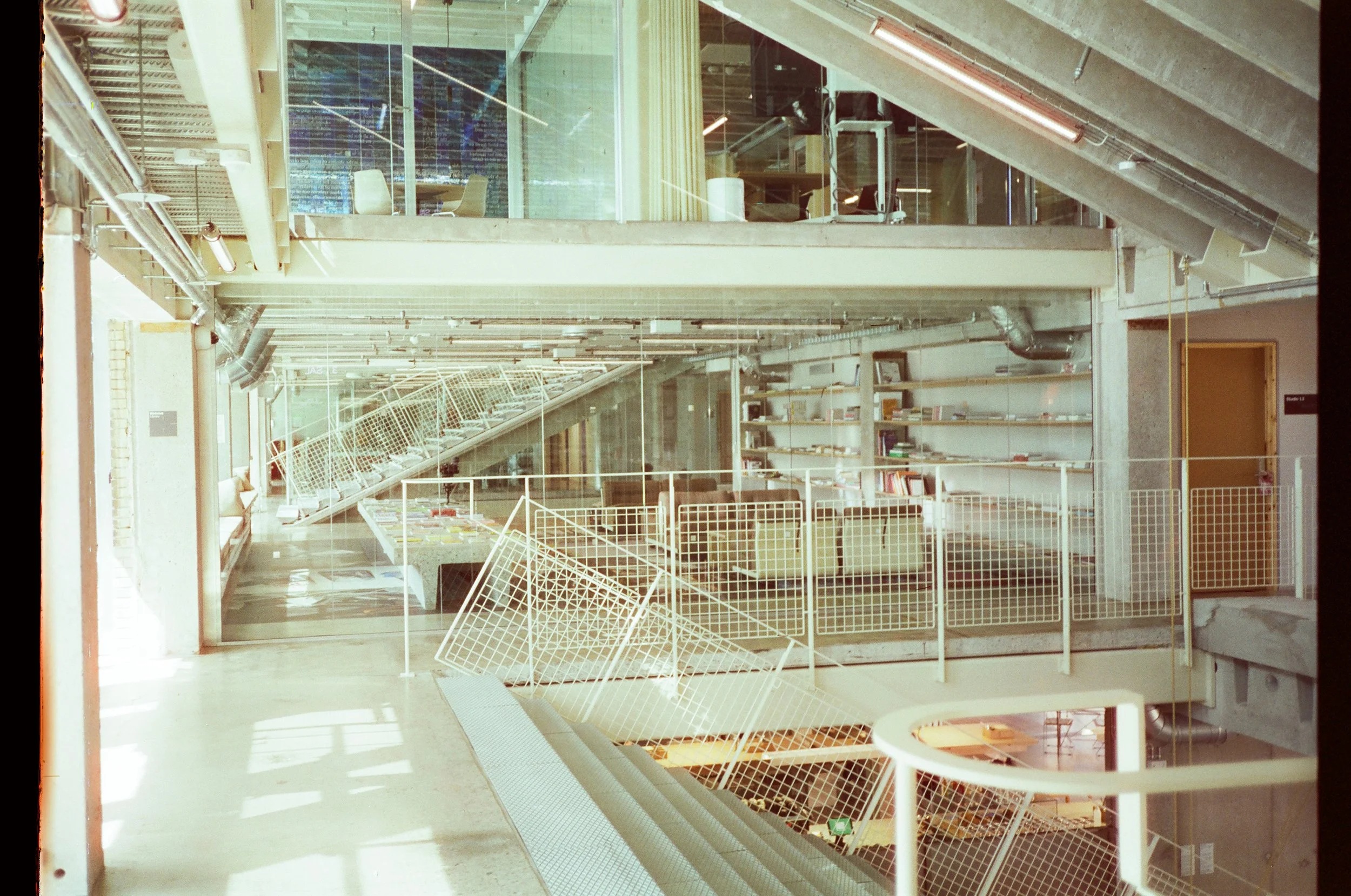
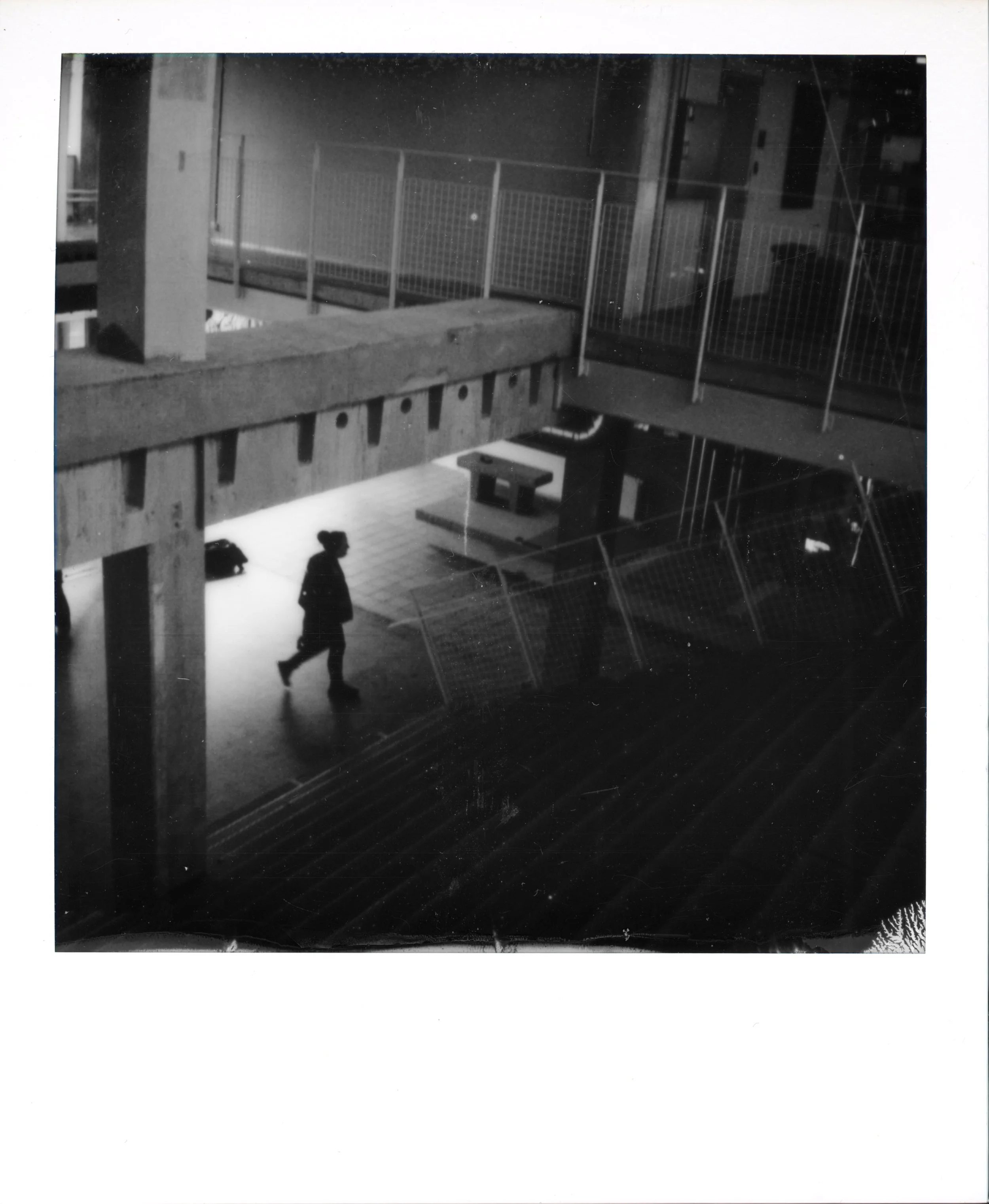
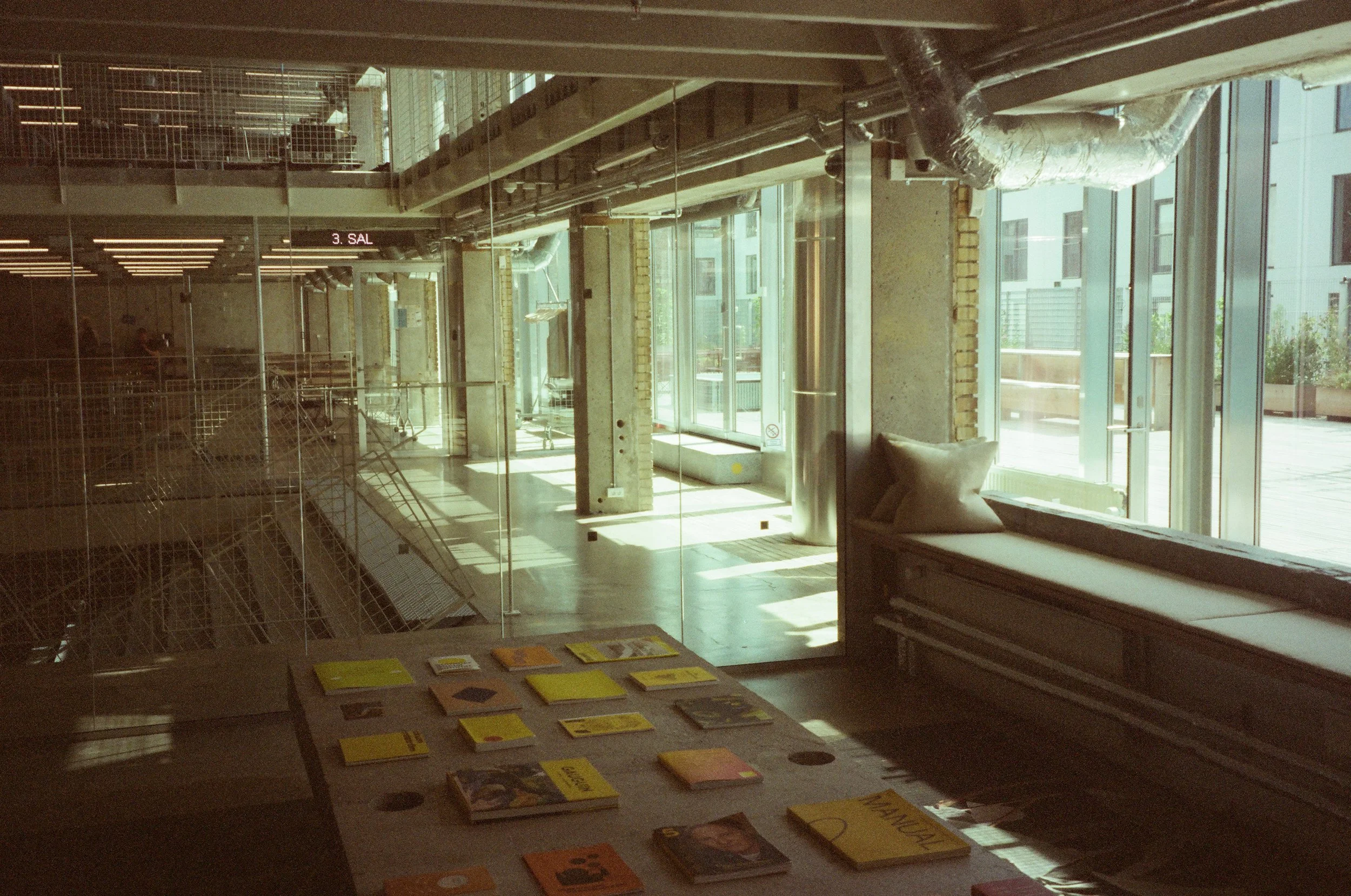
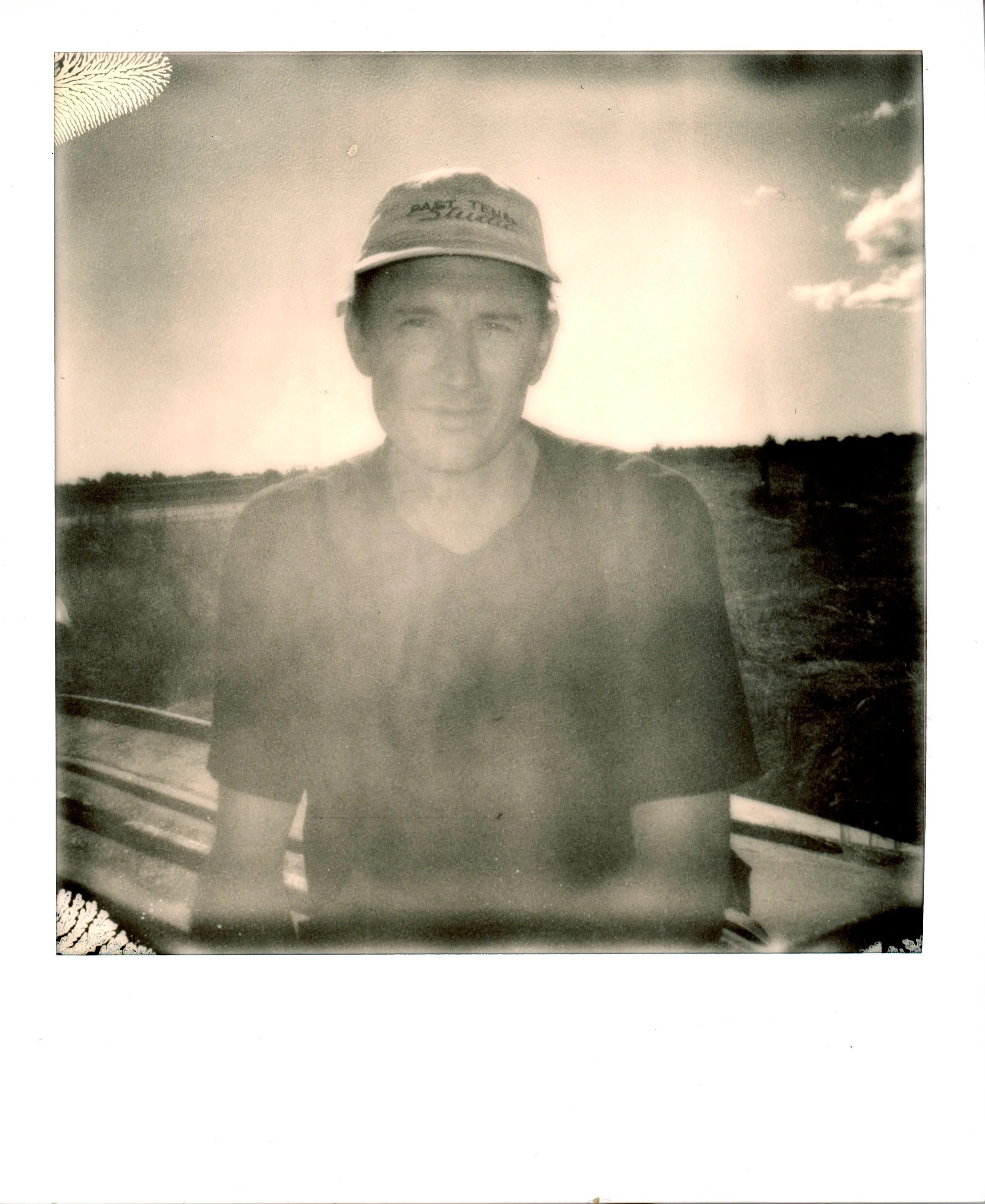
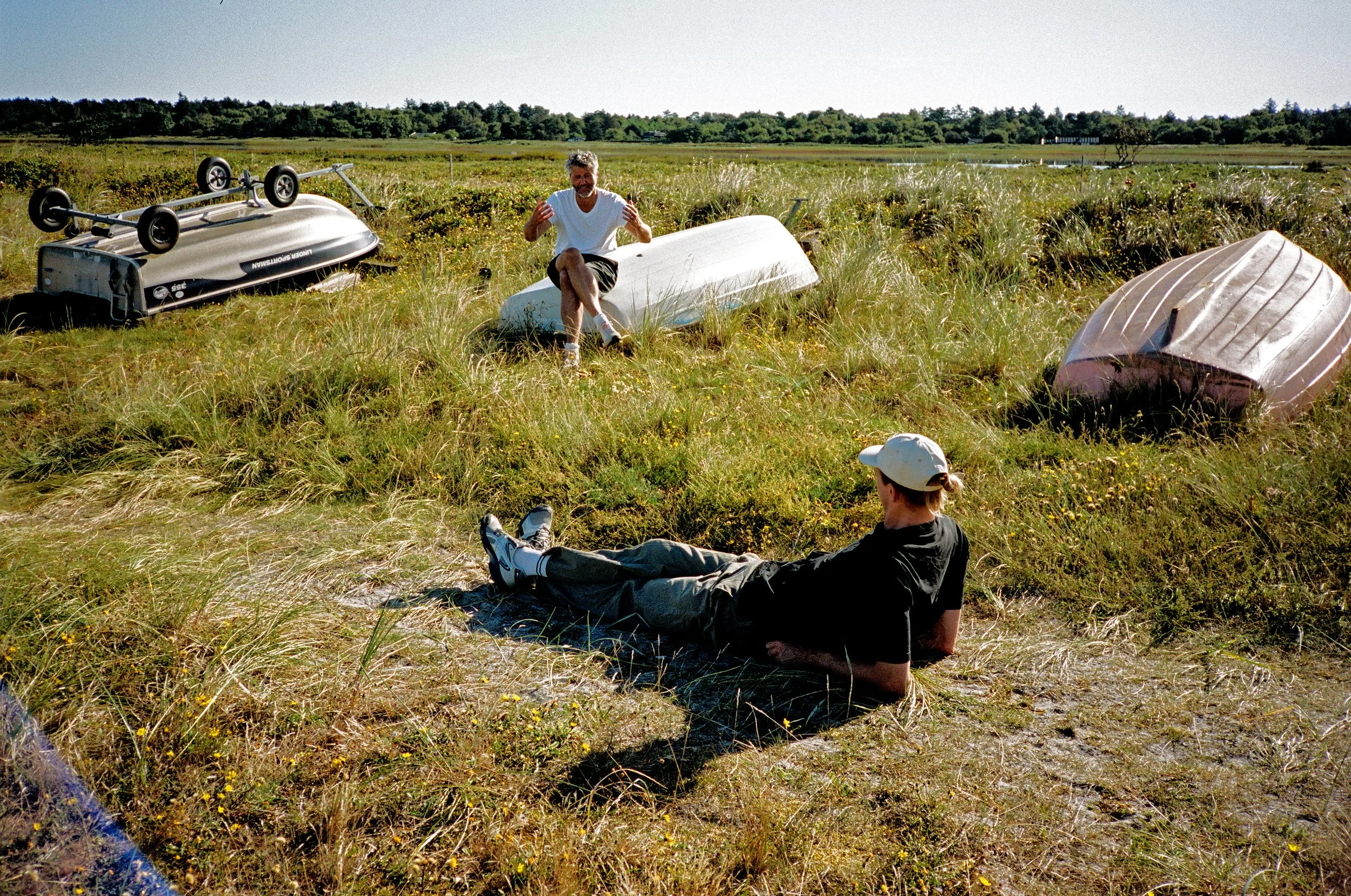
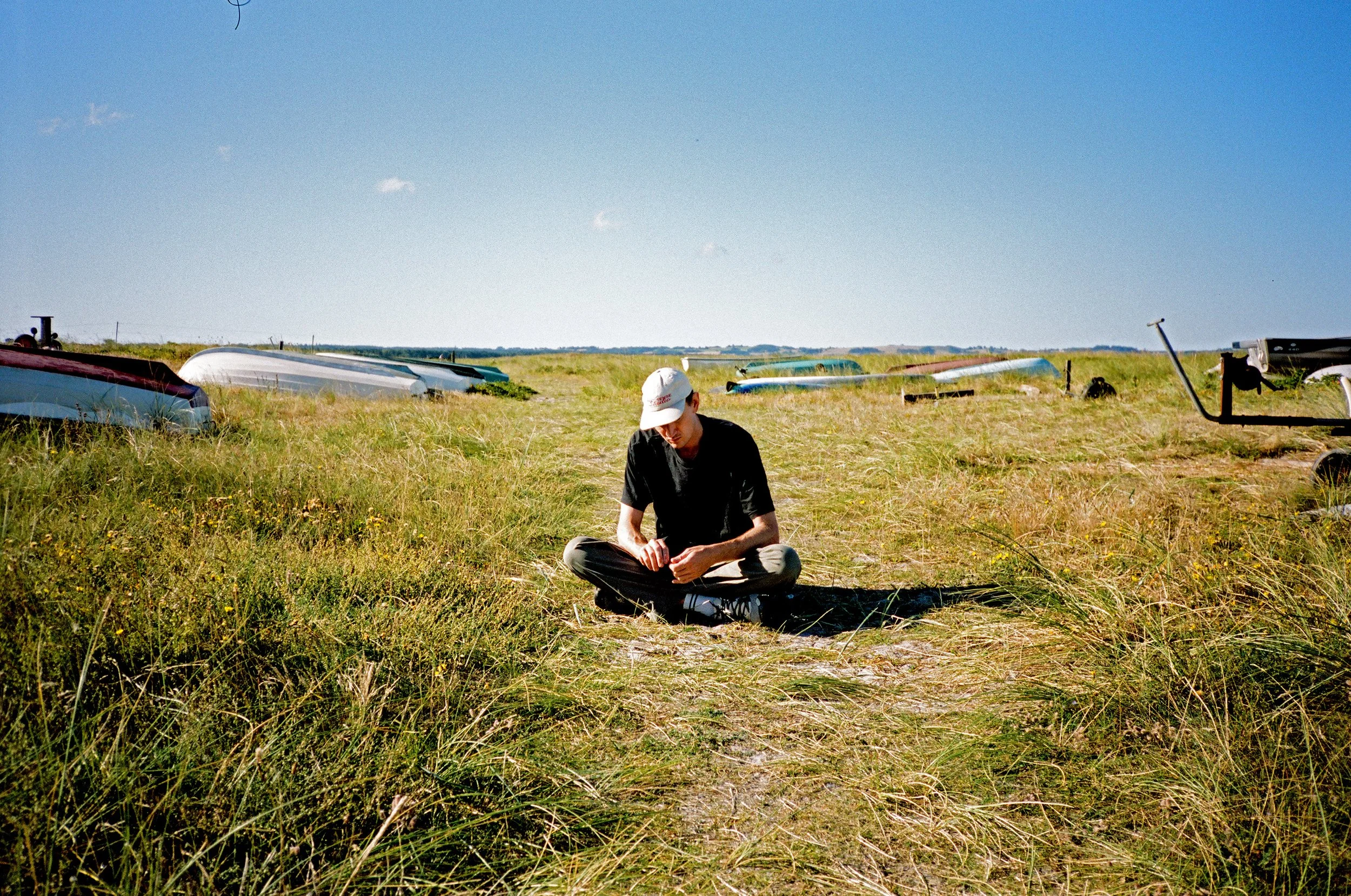
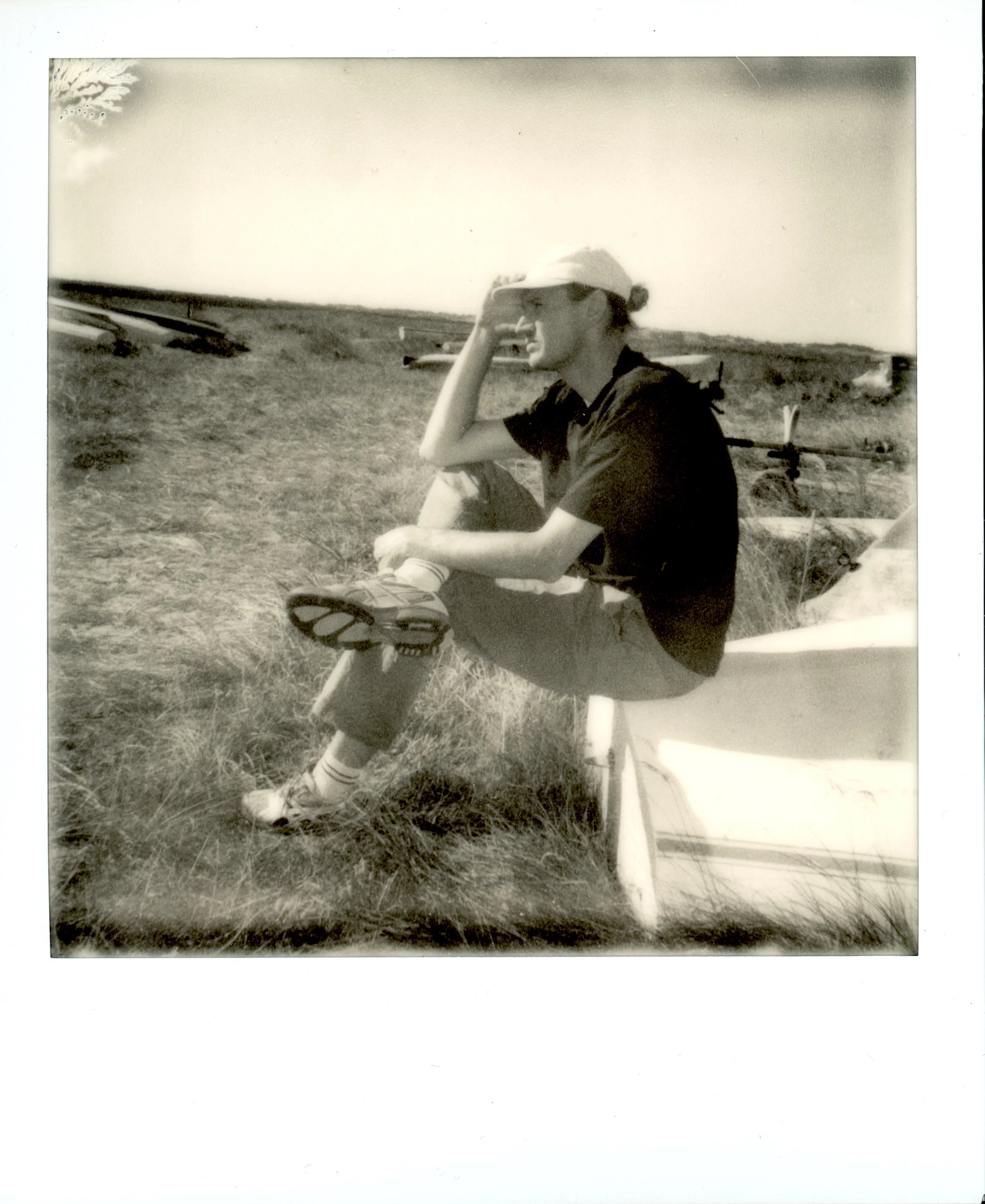
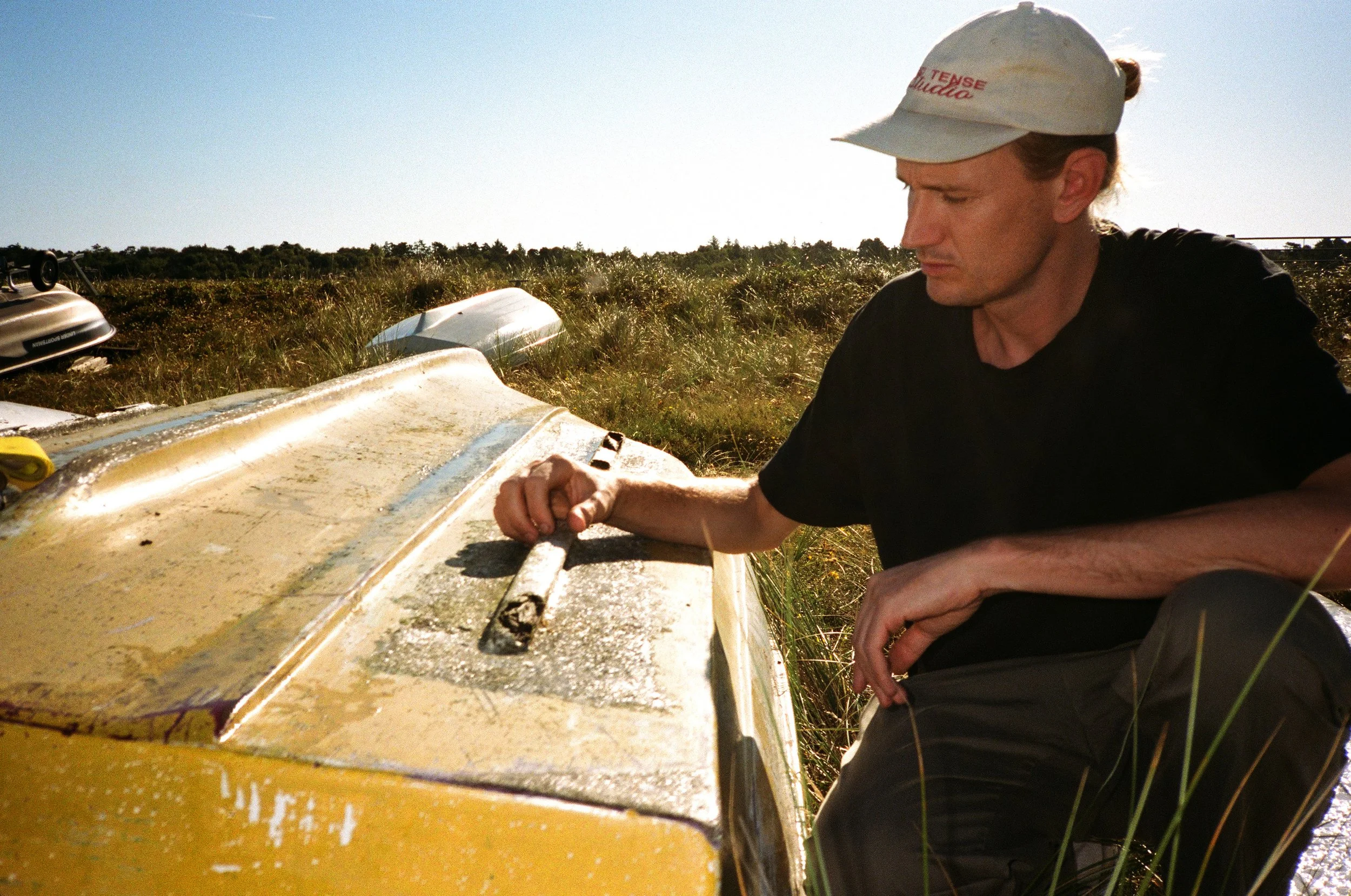
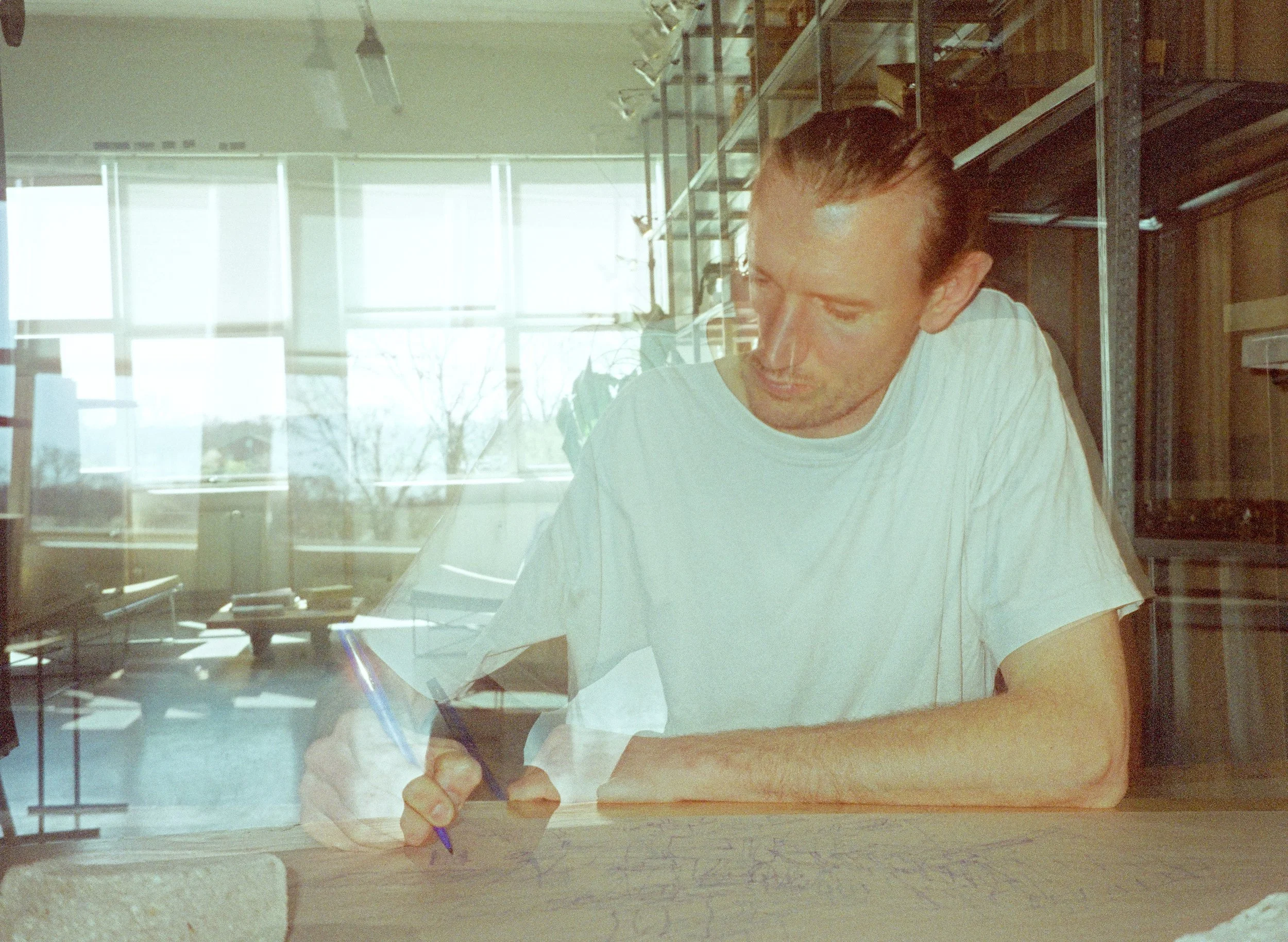
Polaroids, 35mm, small analog truths.
What the film became.
This is not a film about architecture in the traditional sense.
It’s a film about materials — and about a person who reads old walls the way others read books.
Søren’s philosophy is simple and radical: “Understand the existing to predict the future.”
We followed him from Thoravej 29 — 95% material reuse — to Venice, where the pavilion became both site and story. We watched materials being tested, reclassified, and recomposed through collaboration between architects, engineers, researchers, and builders.
The central question hovered over everything we filmed: What if the future is already here, hiding in what we’ve already built?
Looking back
What I remember most are the quiet mornings in the Giardini, the carved notes in the old brick, the sudden moments when a material revealed something no one expected, and the feeling that we were witnessing a shift in how architecture might move forward.
The finished film is 54 minutes long. Shot over three years.
Now freely available on Louisiana Channel.
Camera: Simon Weyhe
Edited by: Simon Weyhe
Produced by: Marc-Christoph Wagner & Simon Weyhe
Copyright: Louisiana Channel, Louisiana Museum of Modern Art, 2025
Louisiana Channel is supported by Den A.P. Møllerske Støttefond, Ny Carlsbergfondet, and C.L. Davids Fond og Samling. This film is supported by Dreyersfond.
This Field Note is my reflection on that journey.
— SW
Goodwind Studio
DECEMBER 2025

“FILM TO UNDERSTAND THE WORLD”
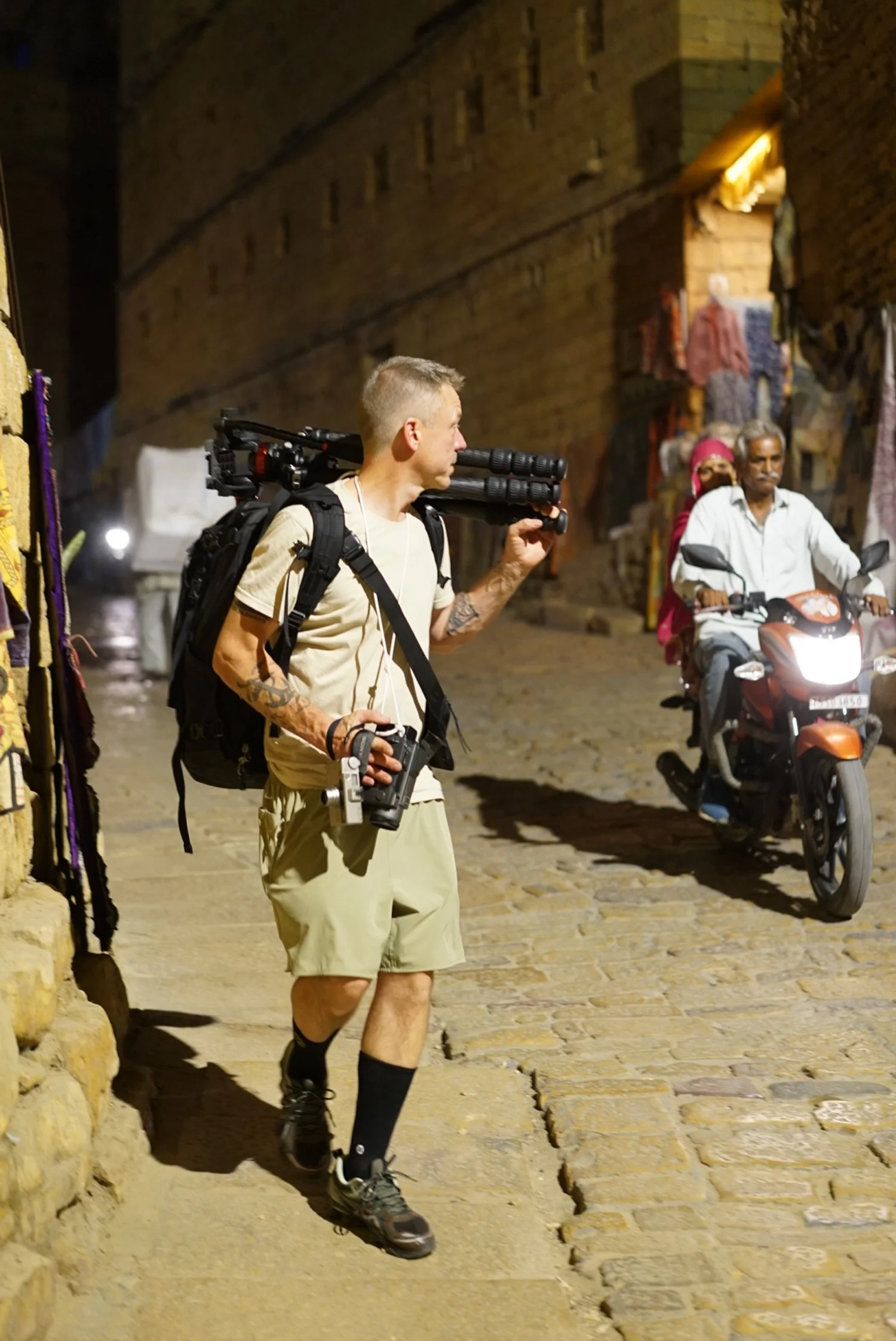
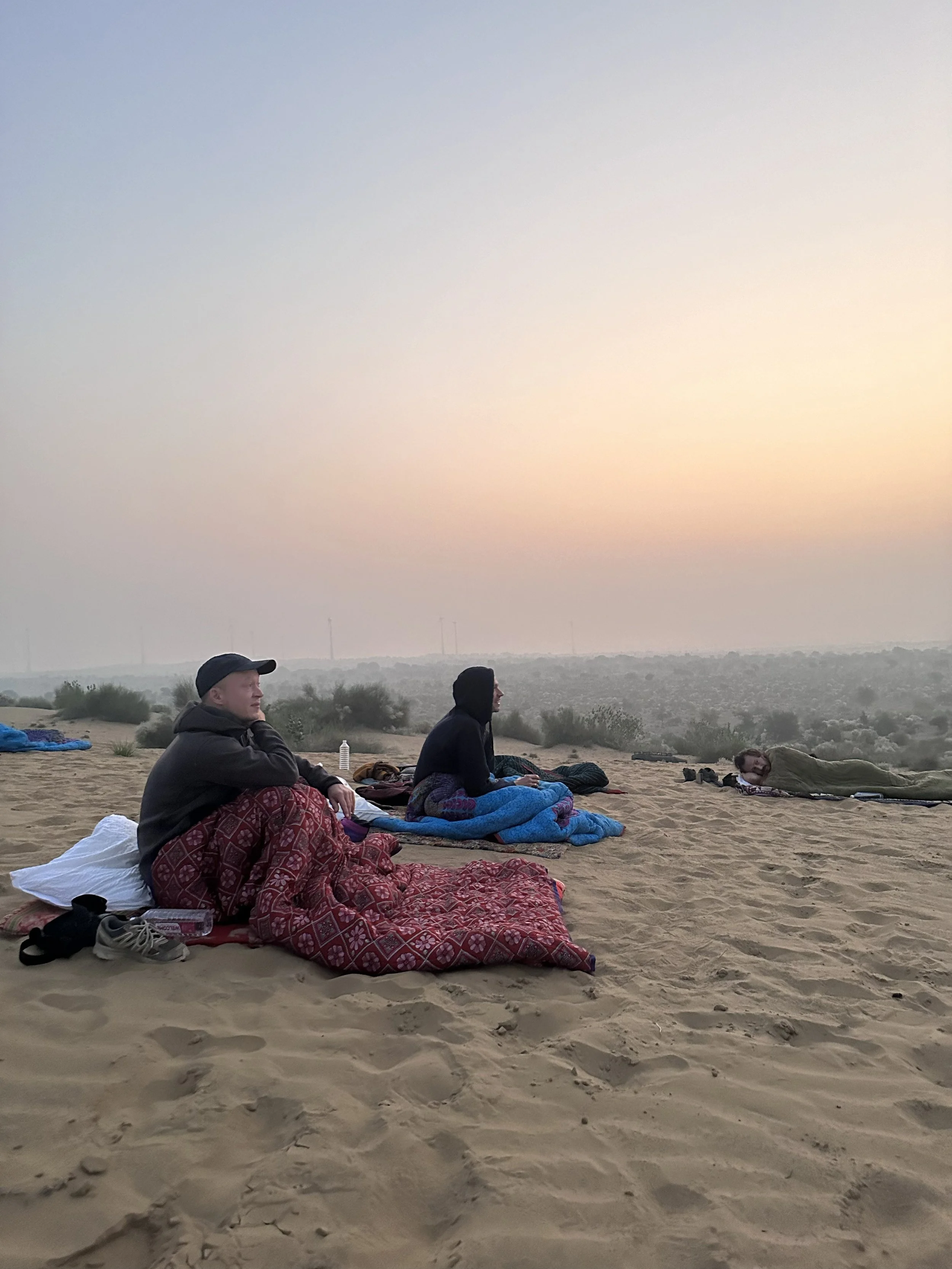
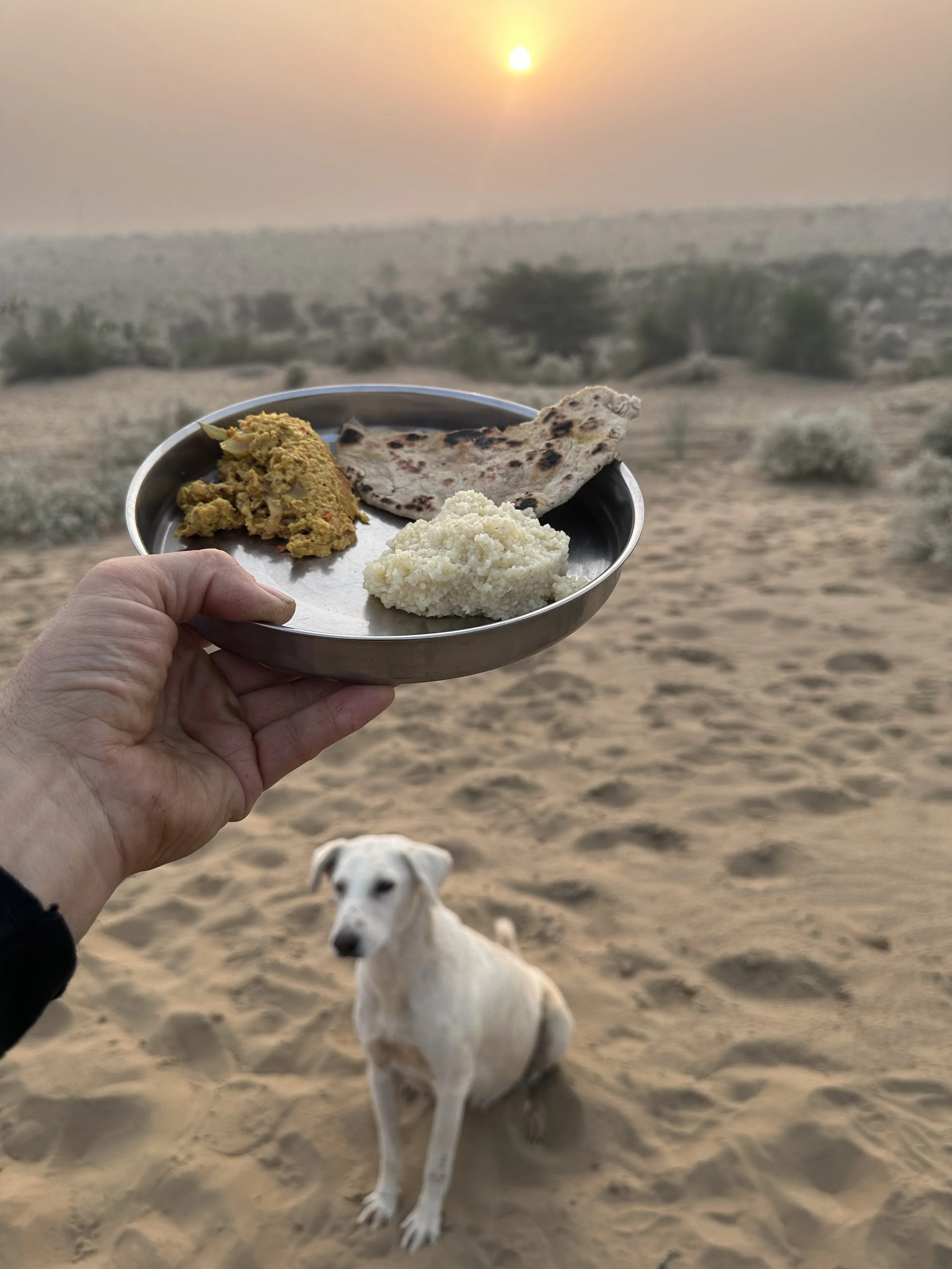
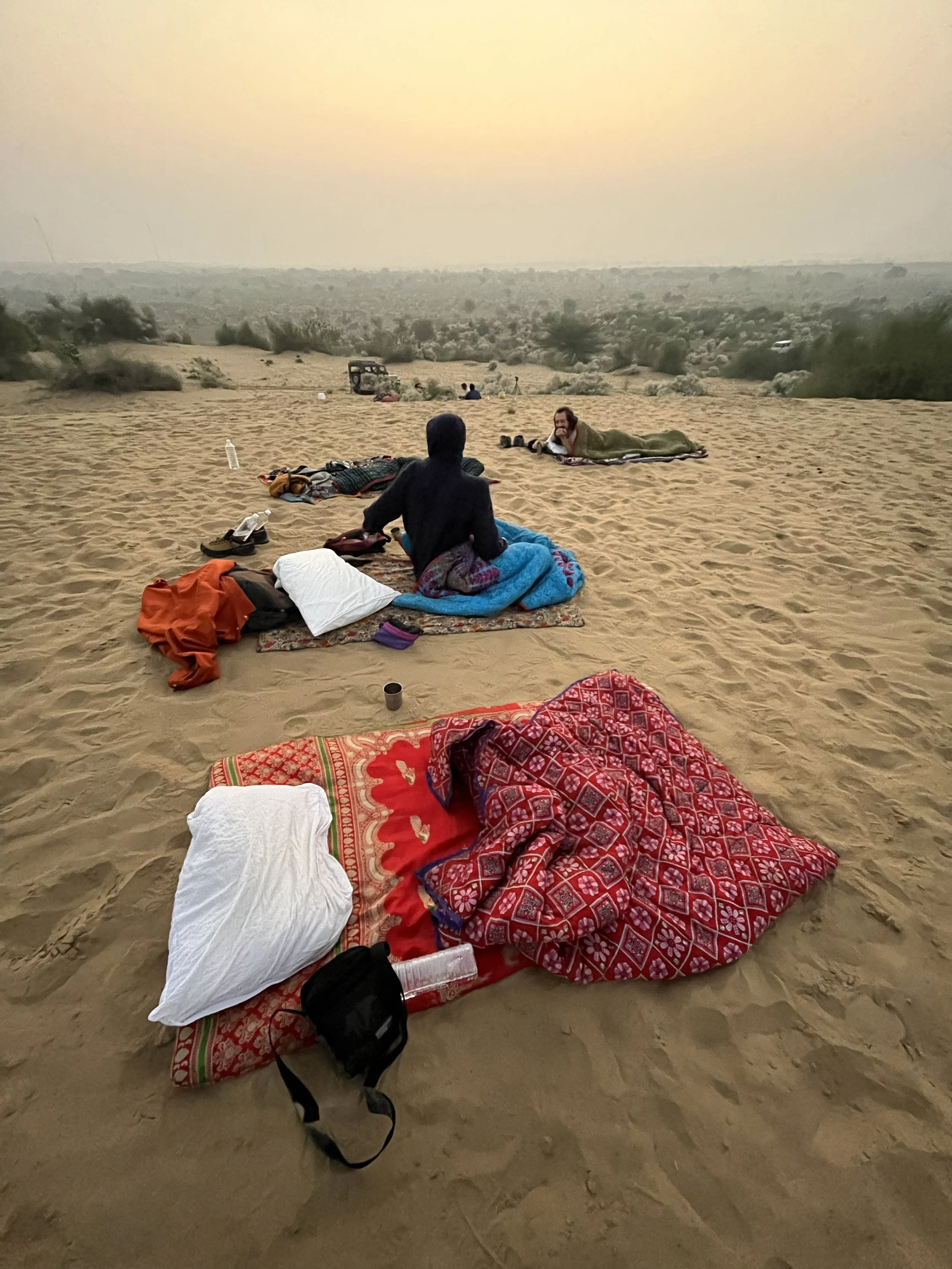
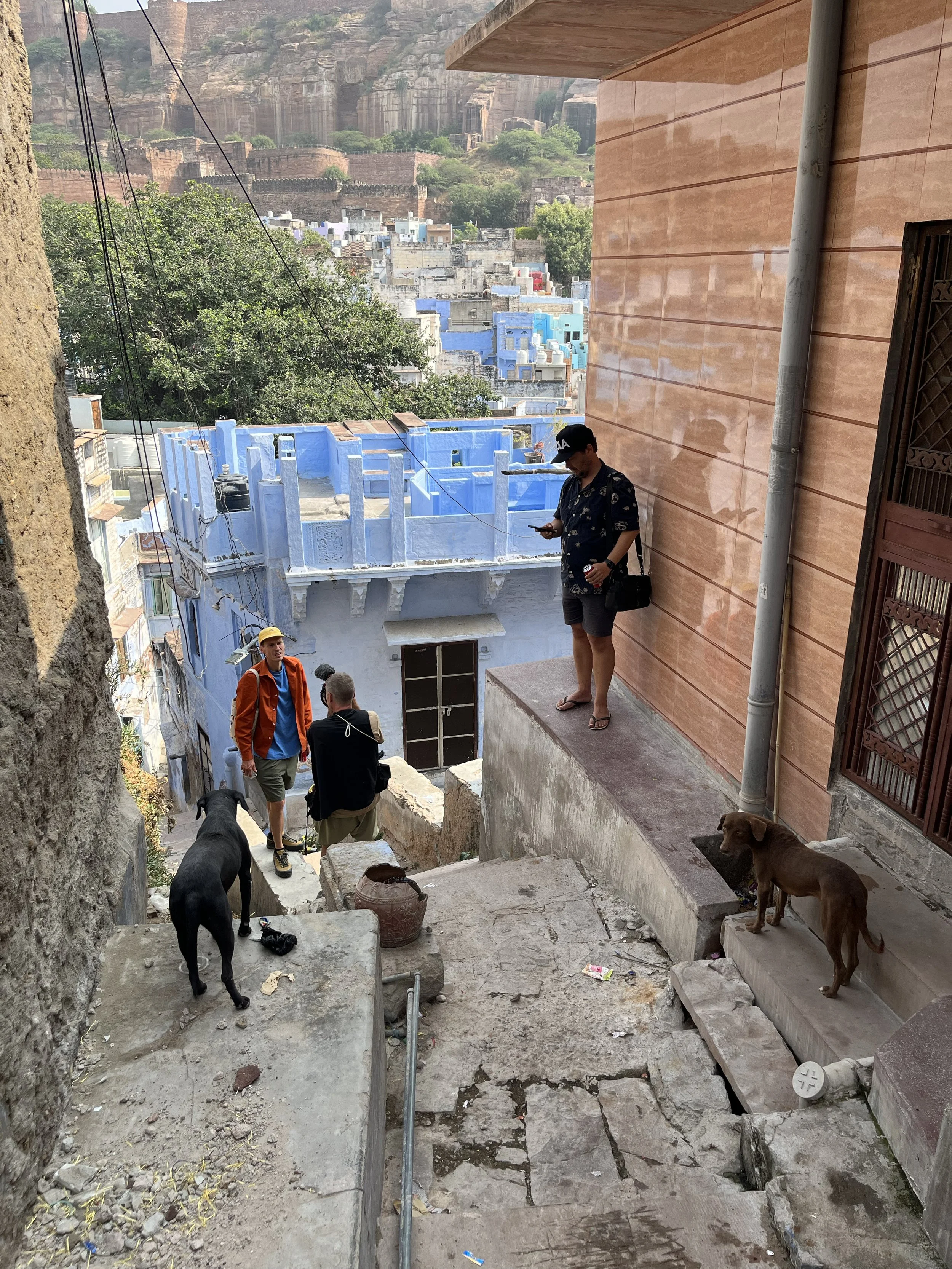
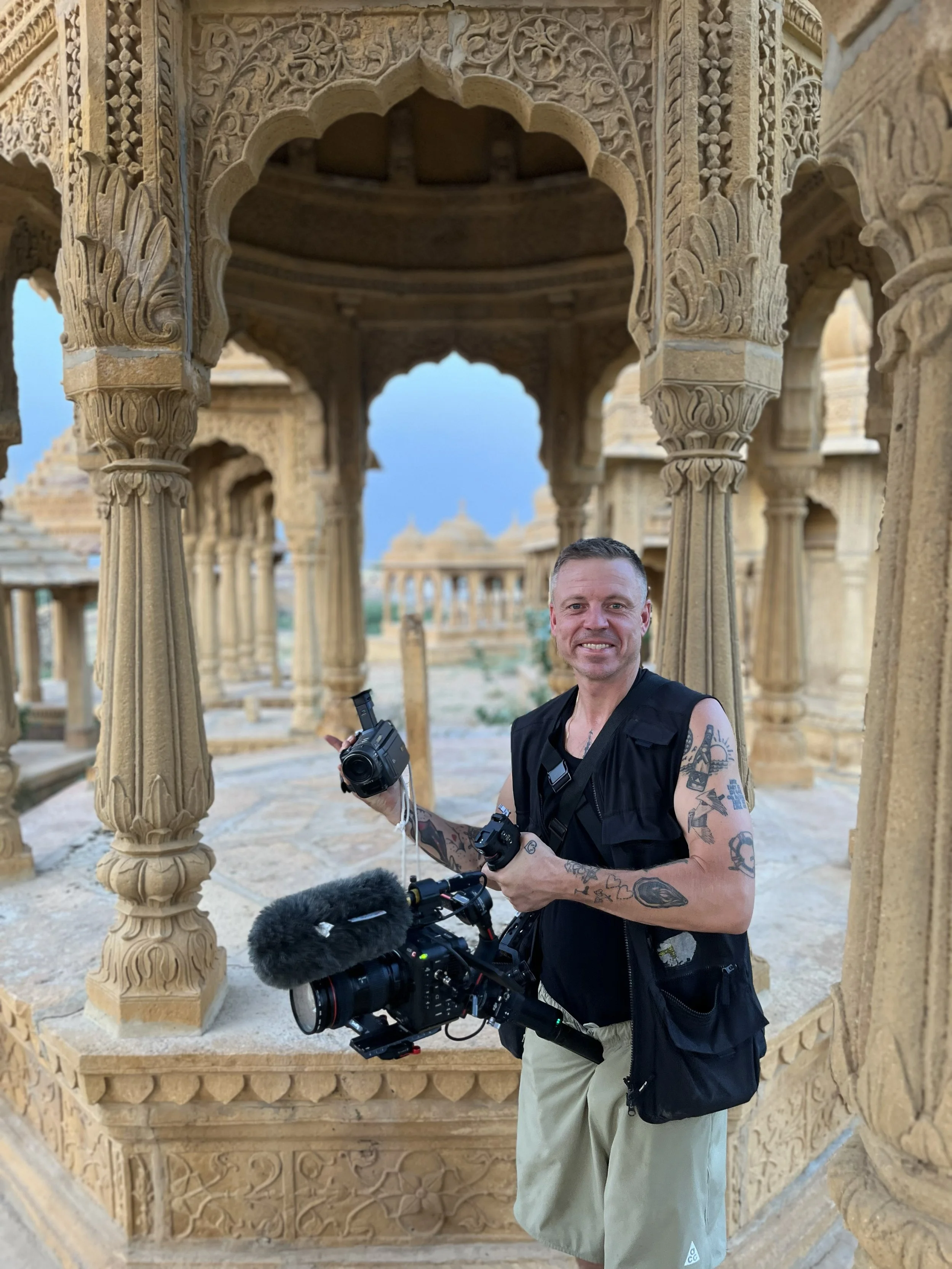
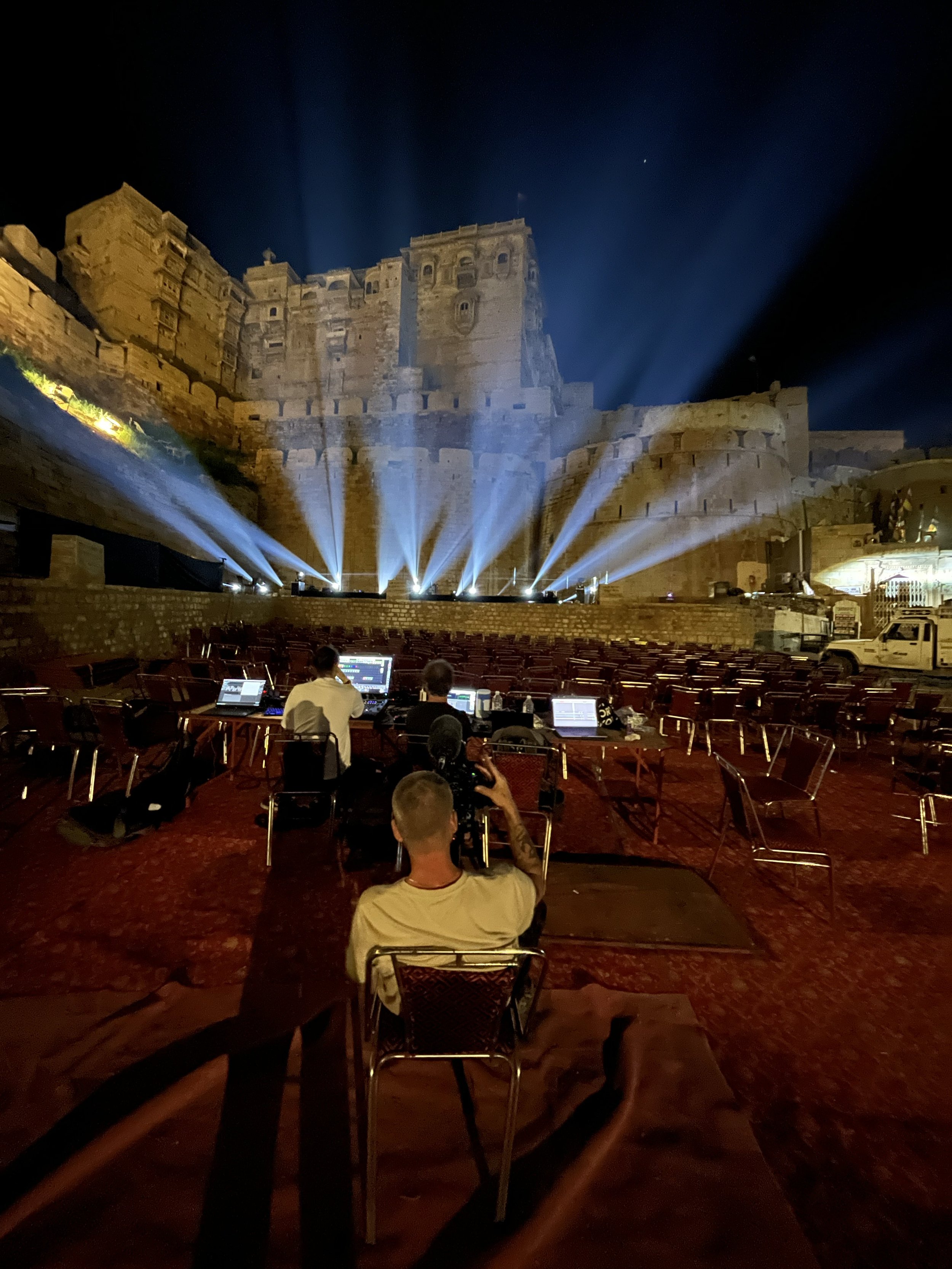
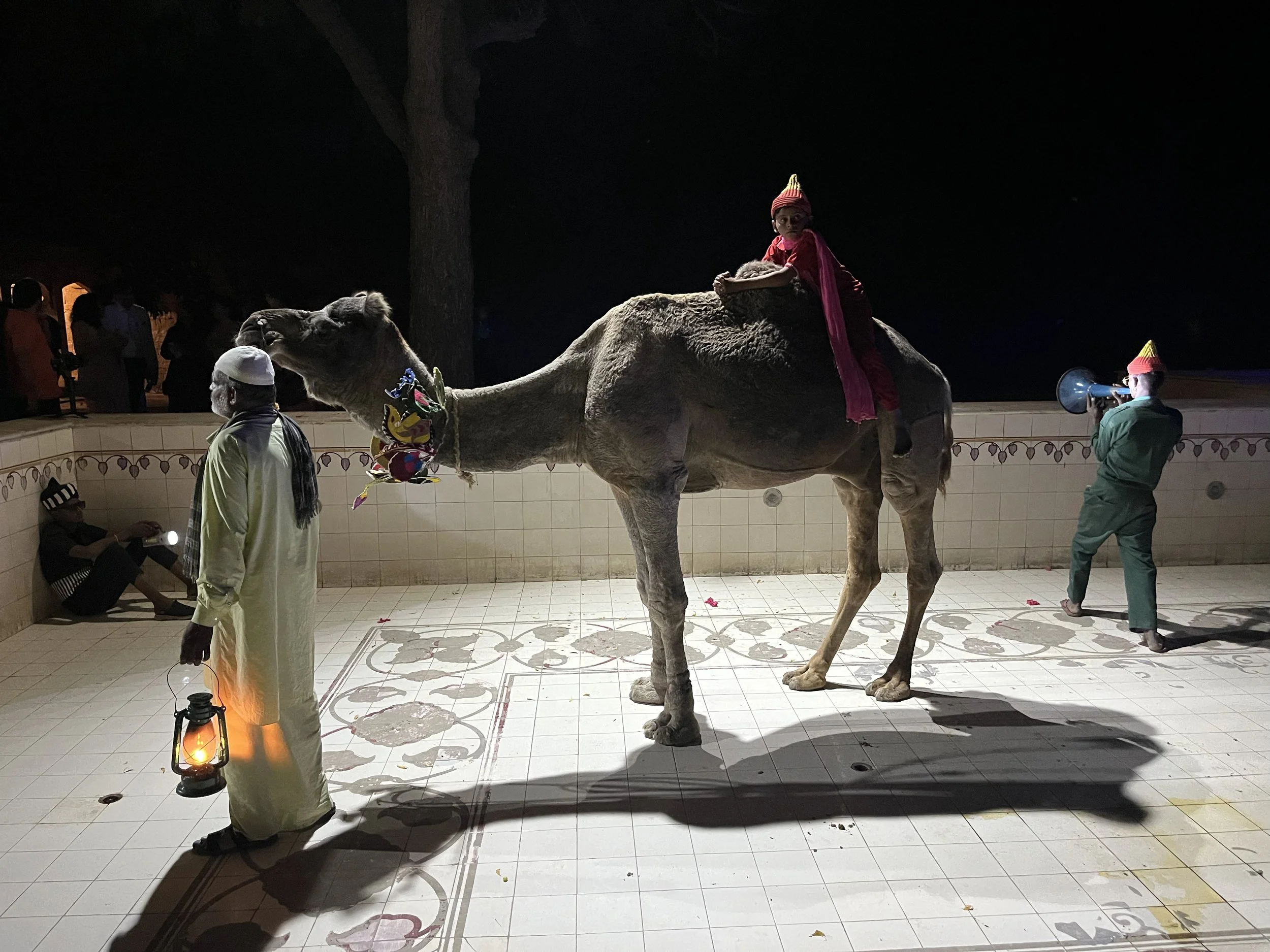
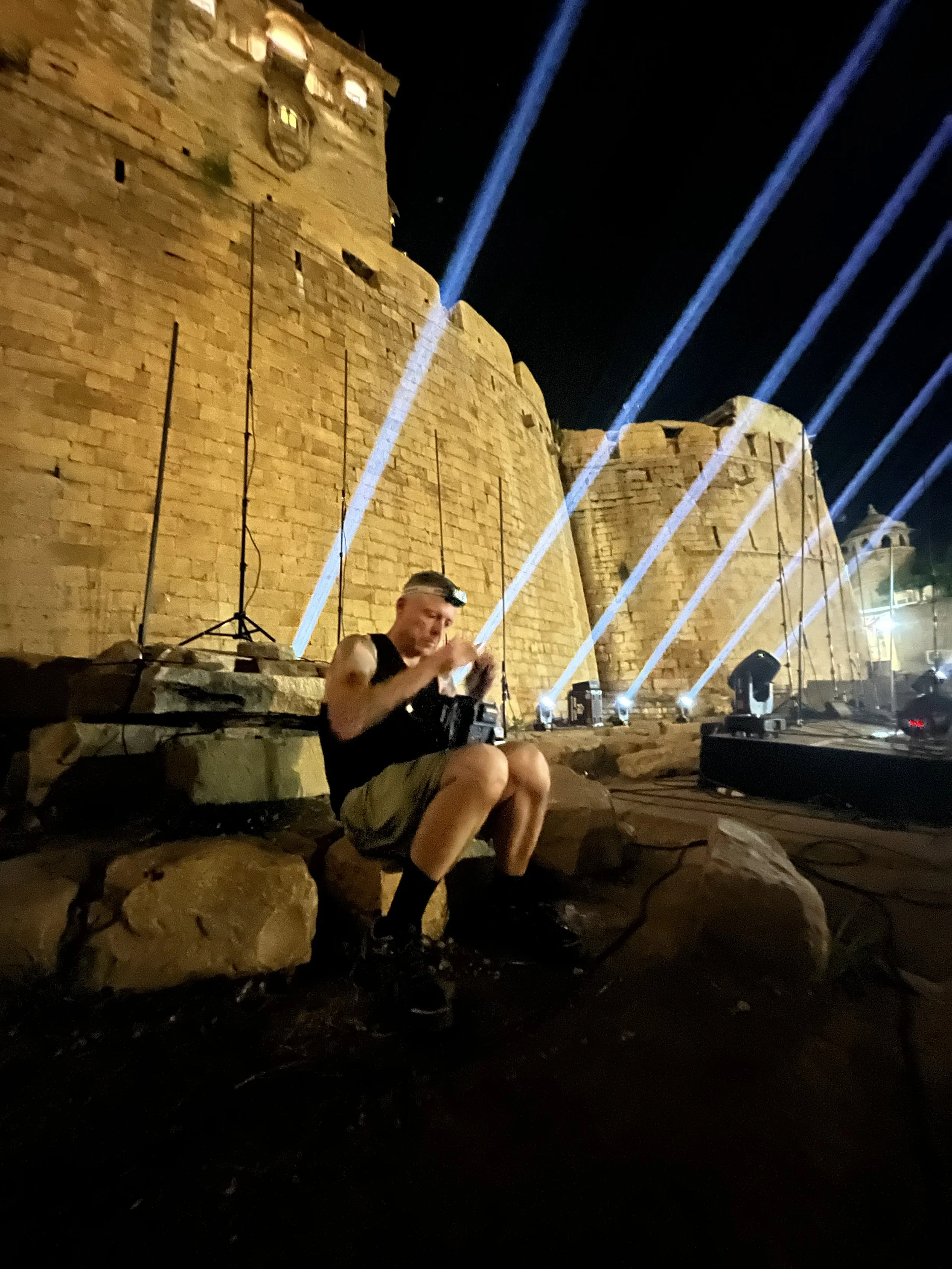
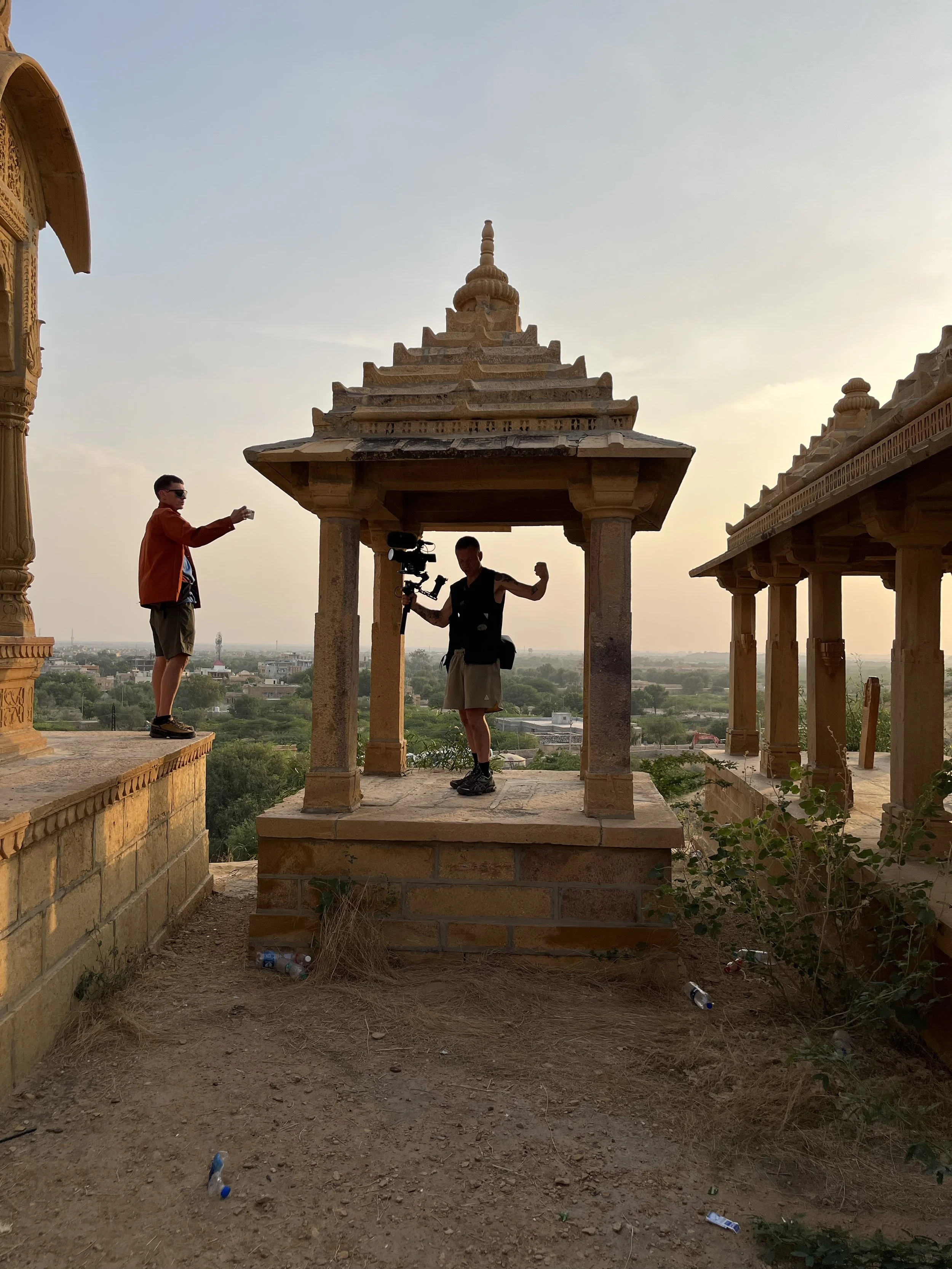
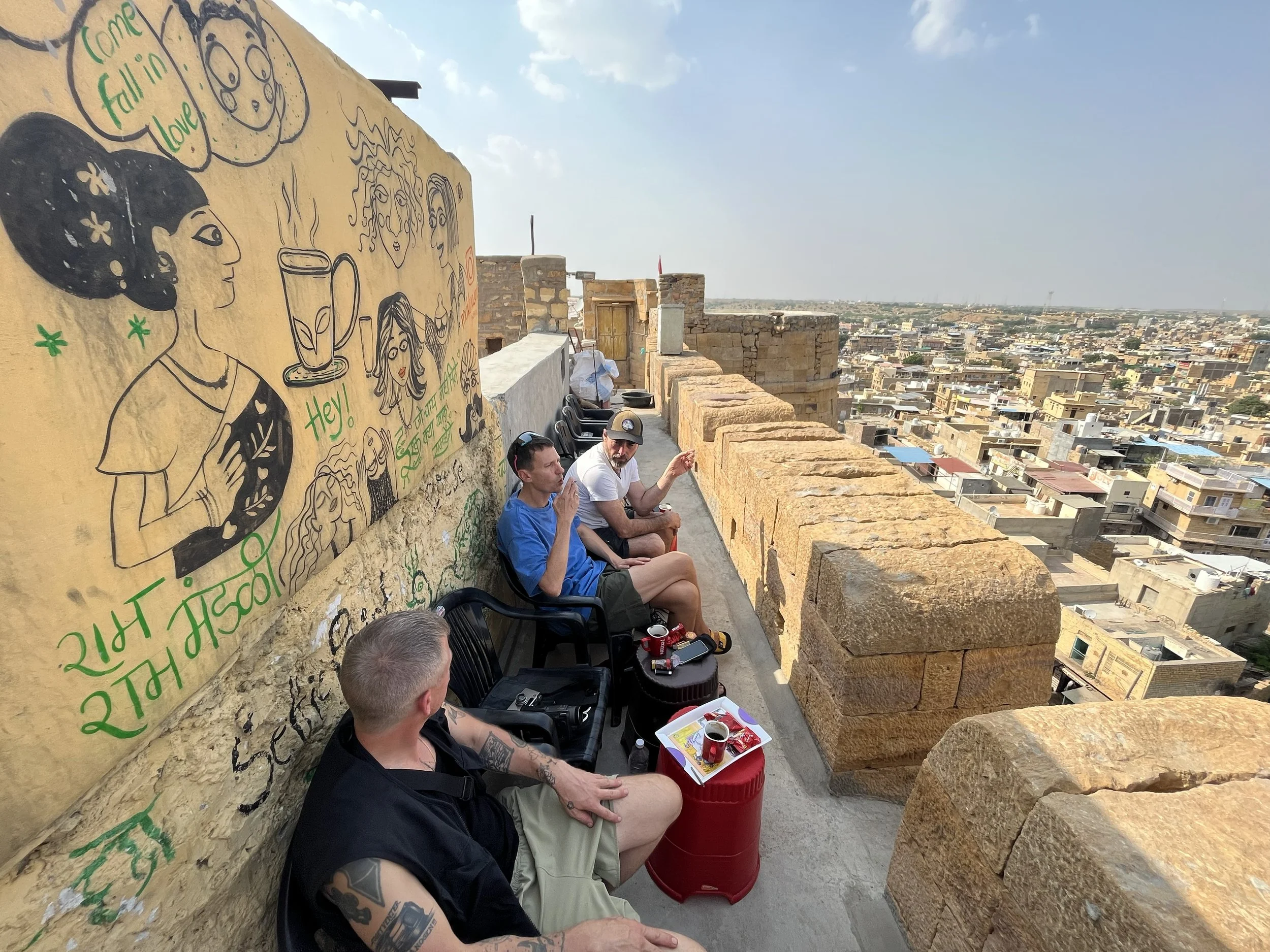
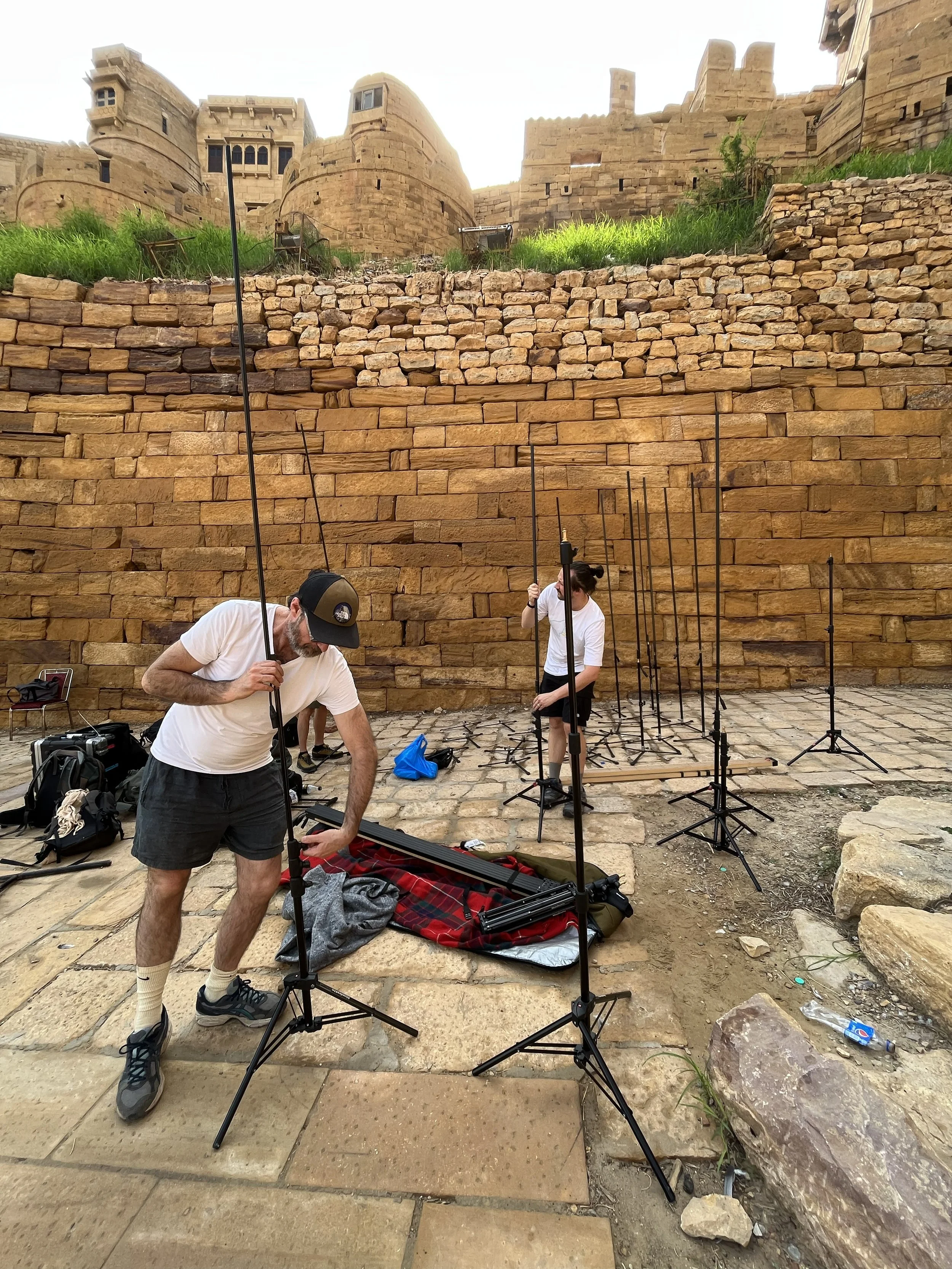
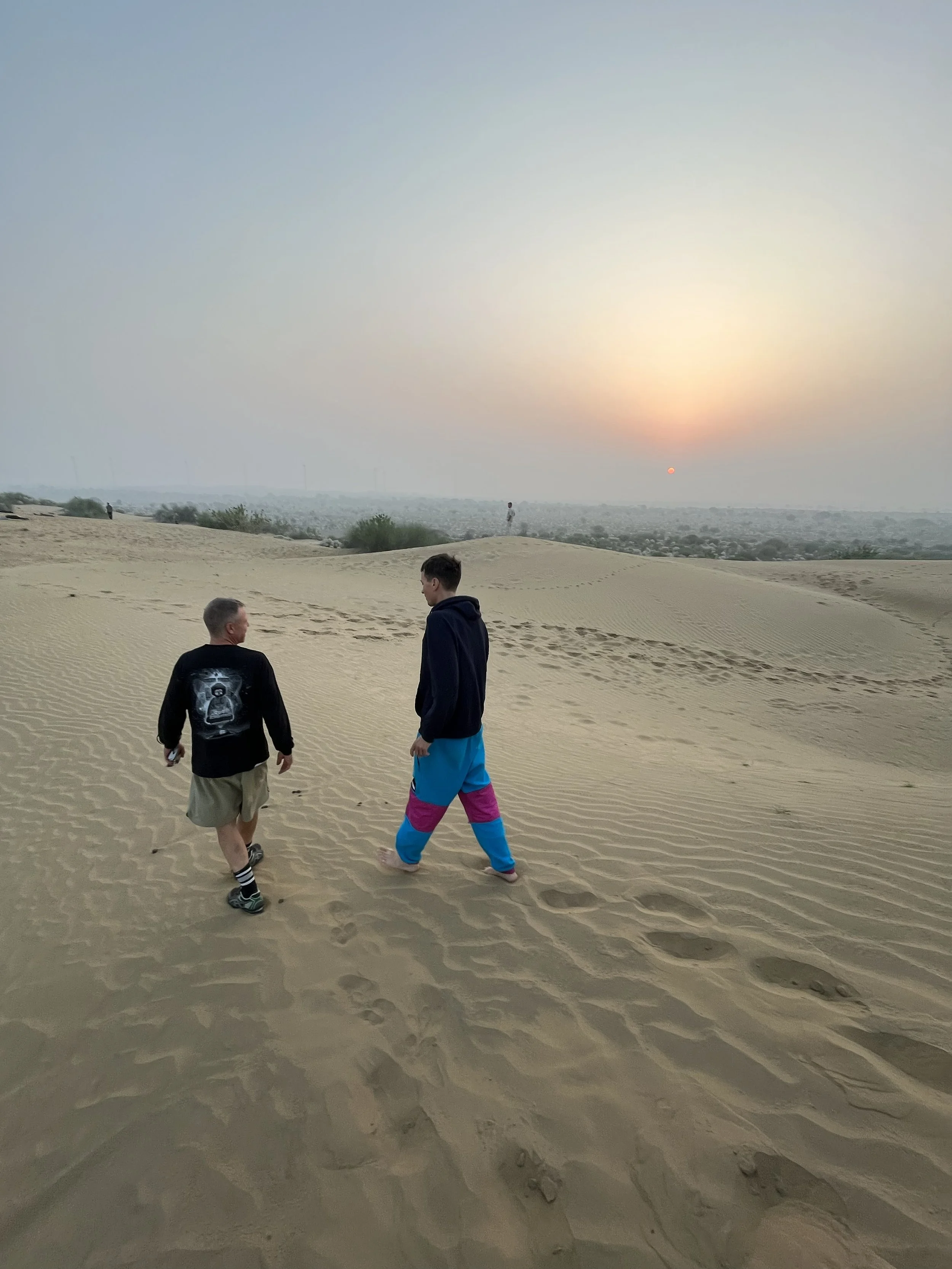
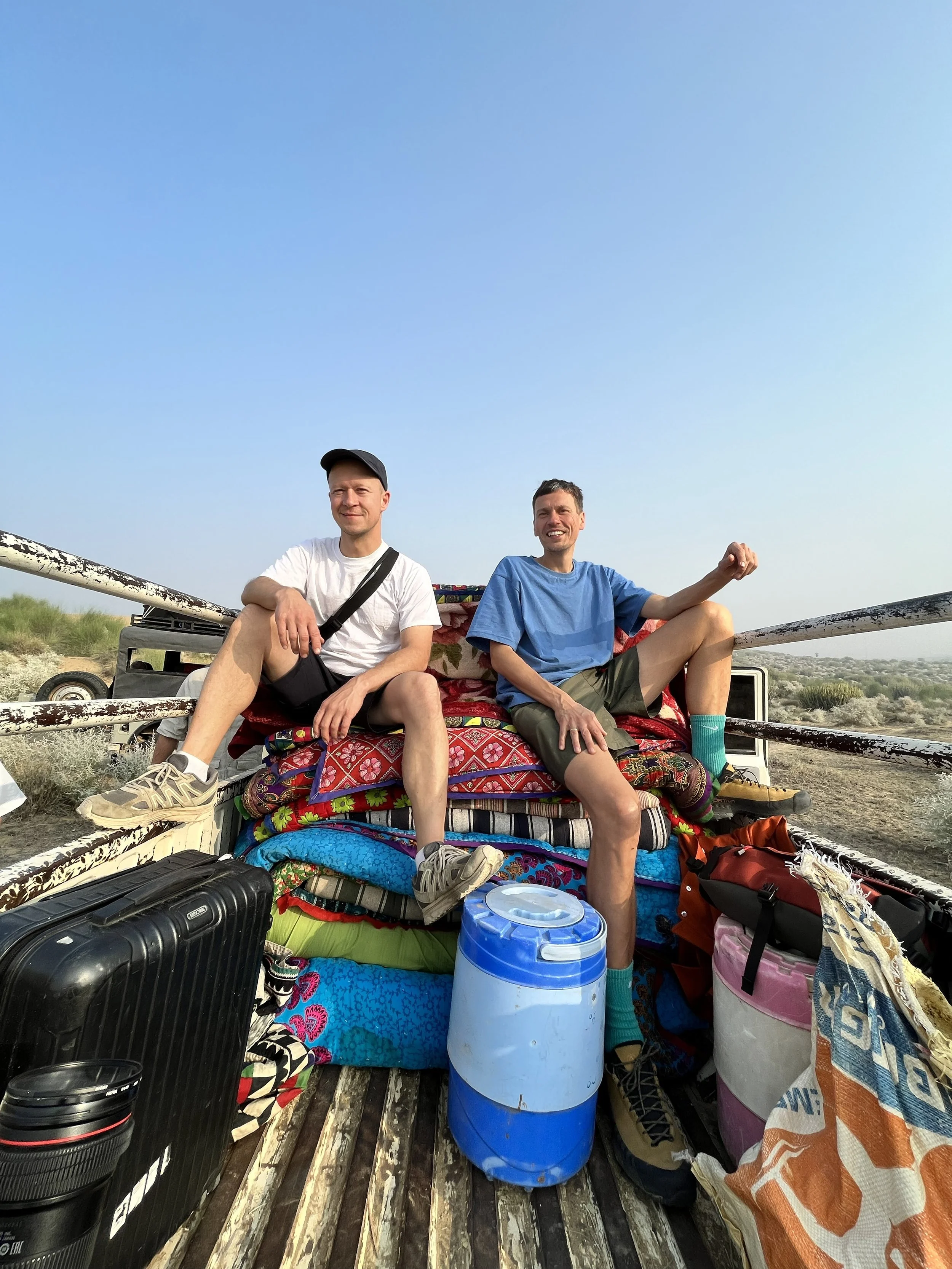
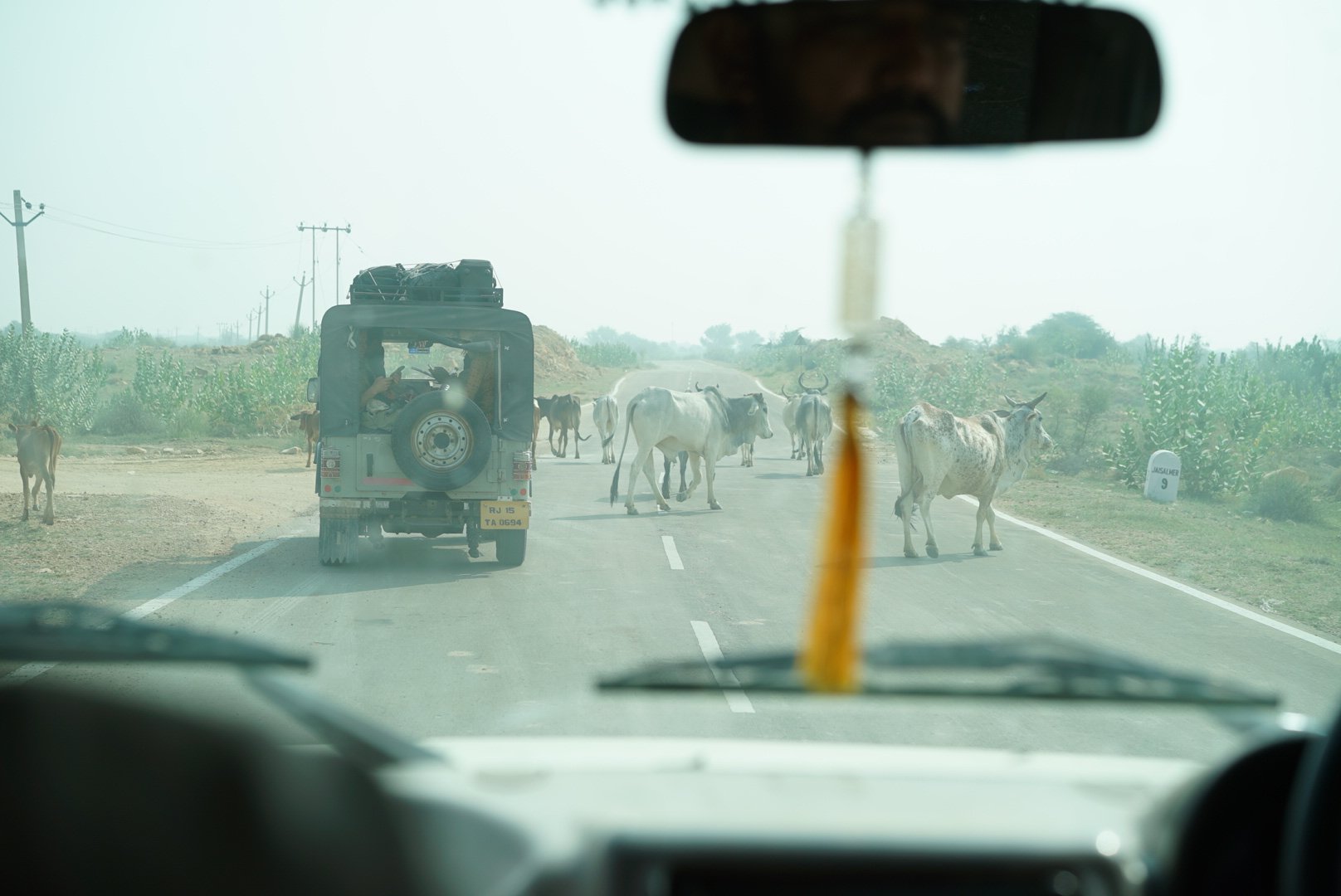
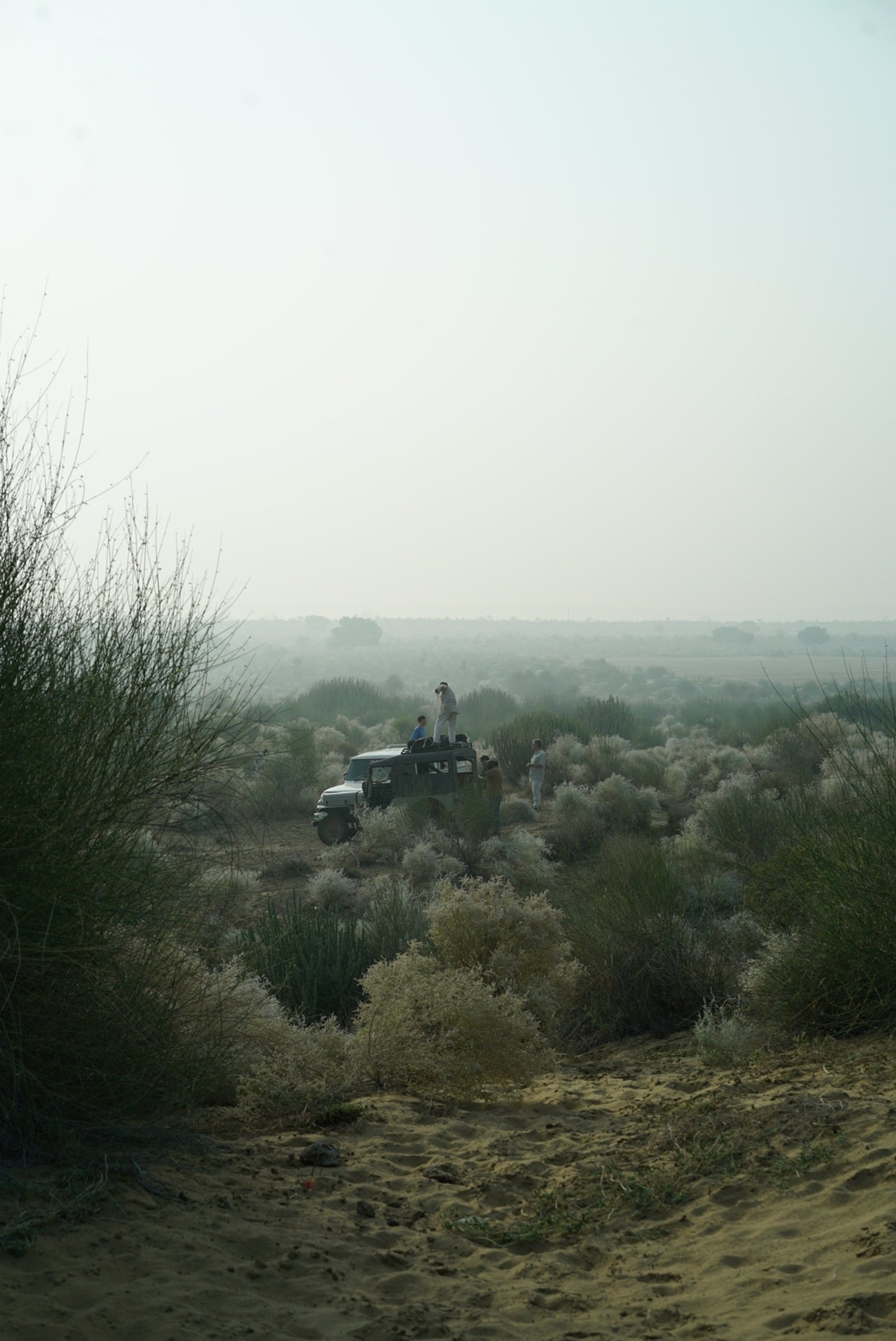
Den Sorte Skole - Rajasthan - India
Not just to record what I see, but to reveal what lies underneath — the structure behind emotion, the rhythm behind chaos, the traces of beauty left in overlooked places. Some people write to make sense of things. I film. That’s how I learn, connect, and move forward.
Over the years I’ve learned that filmmaking isn’t about mastering tools or chasing trends. It’s about learning how to see. To recognize patterns in the way people build, move, speak, and create. To understand how the light changes a room, or how a single gesture can say more than dialogue ever could. Filming, for me, is both connection and observation — the space between what is shared and what is seen.