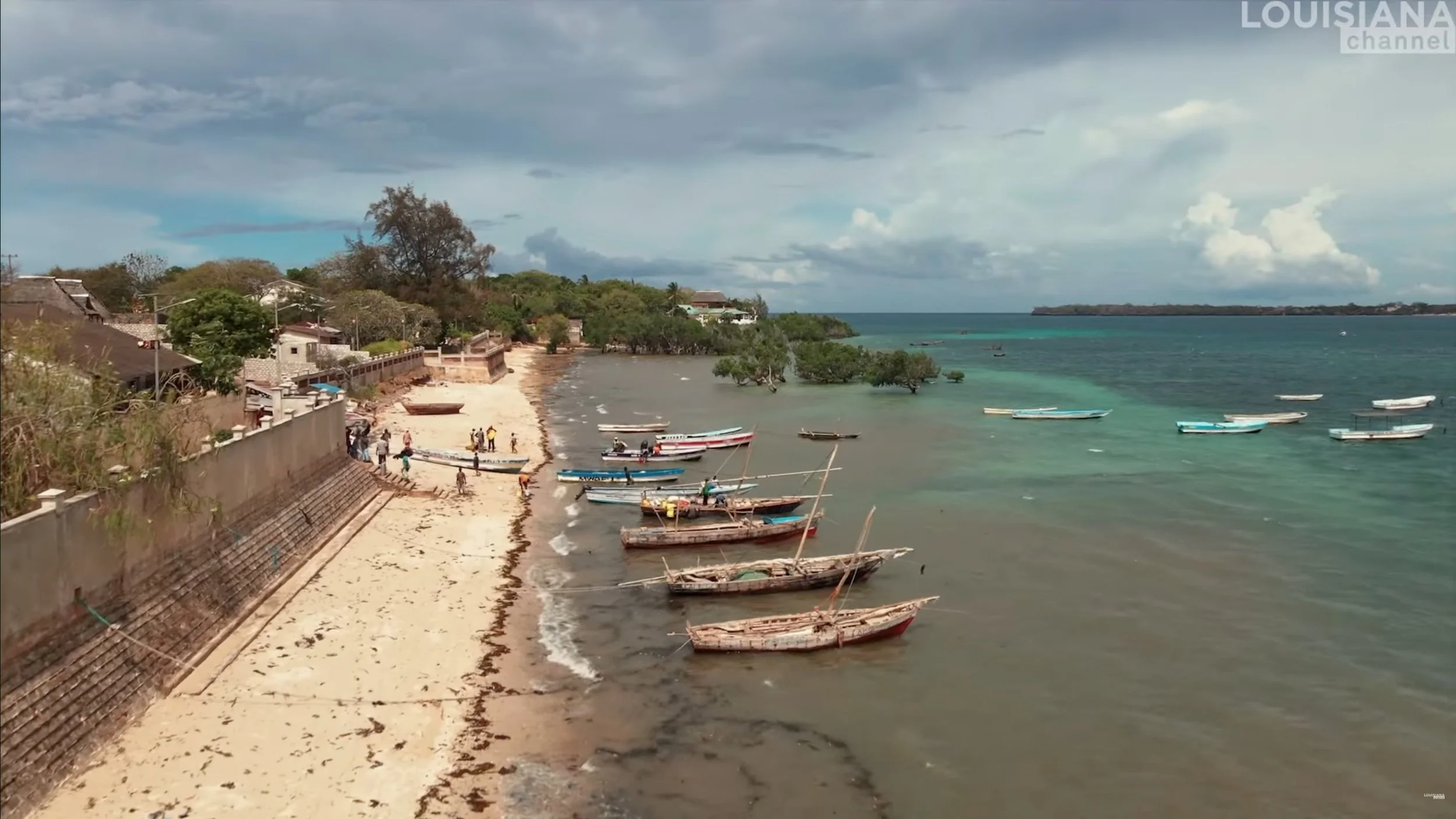
Cave_Bureau, Kenya
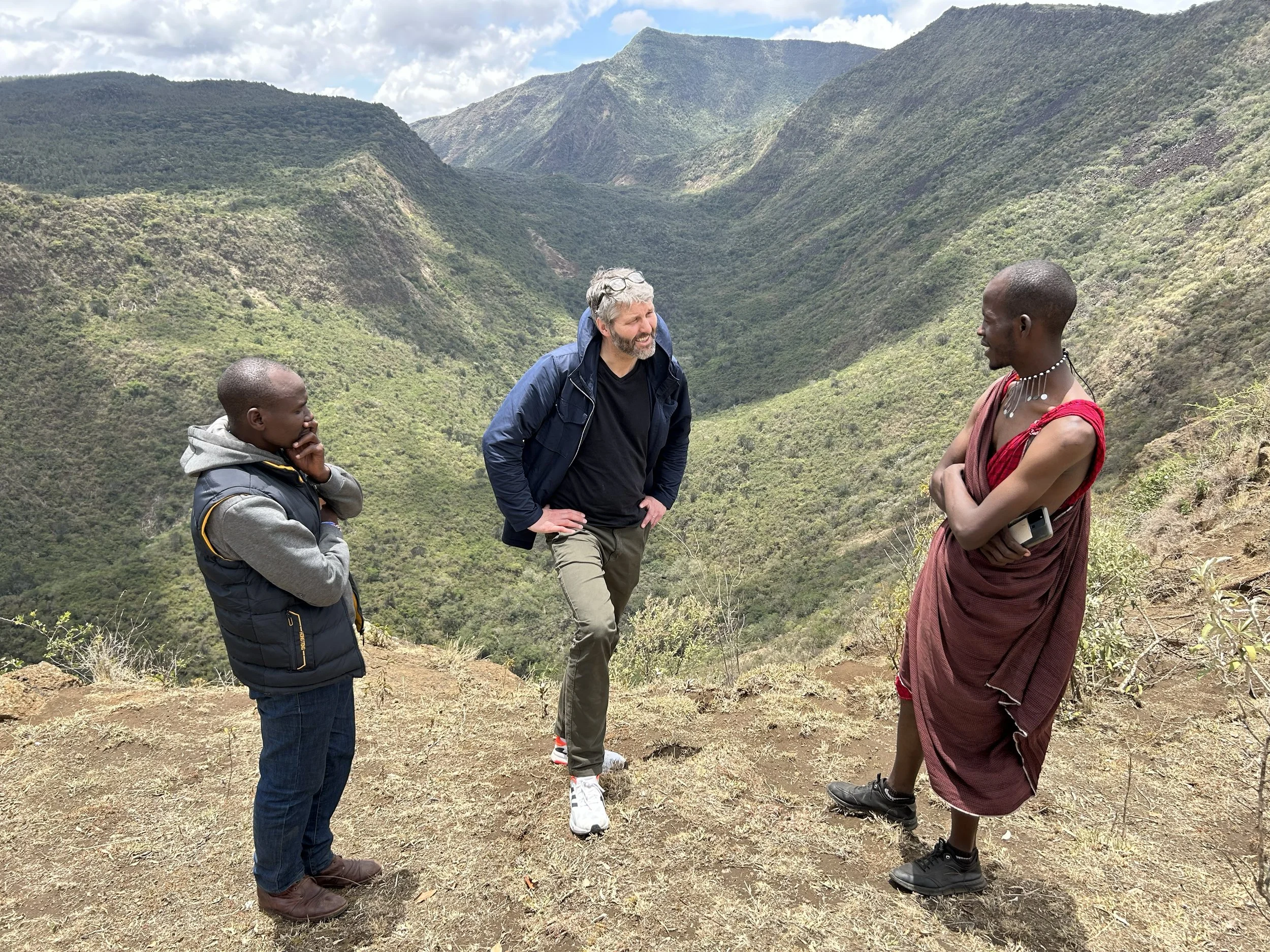
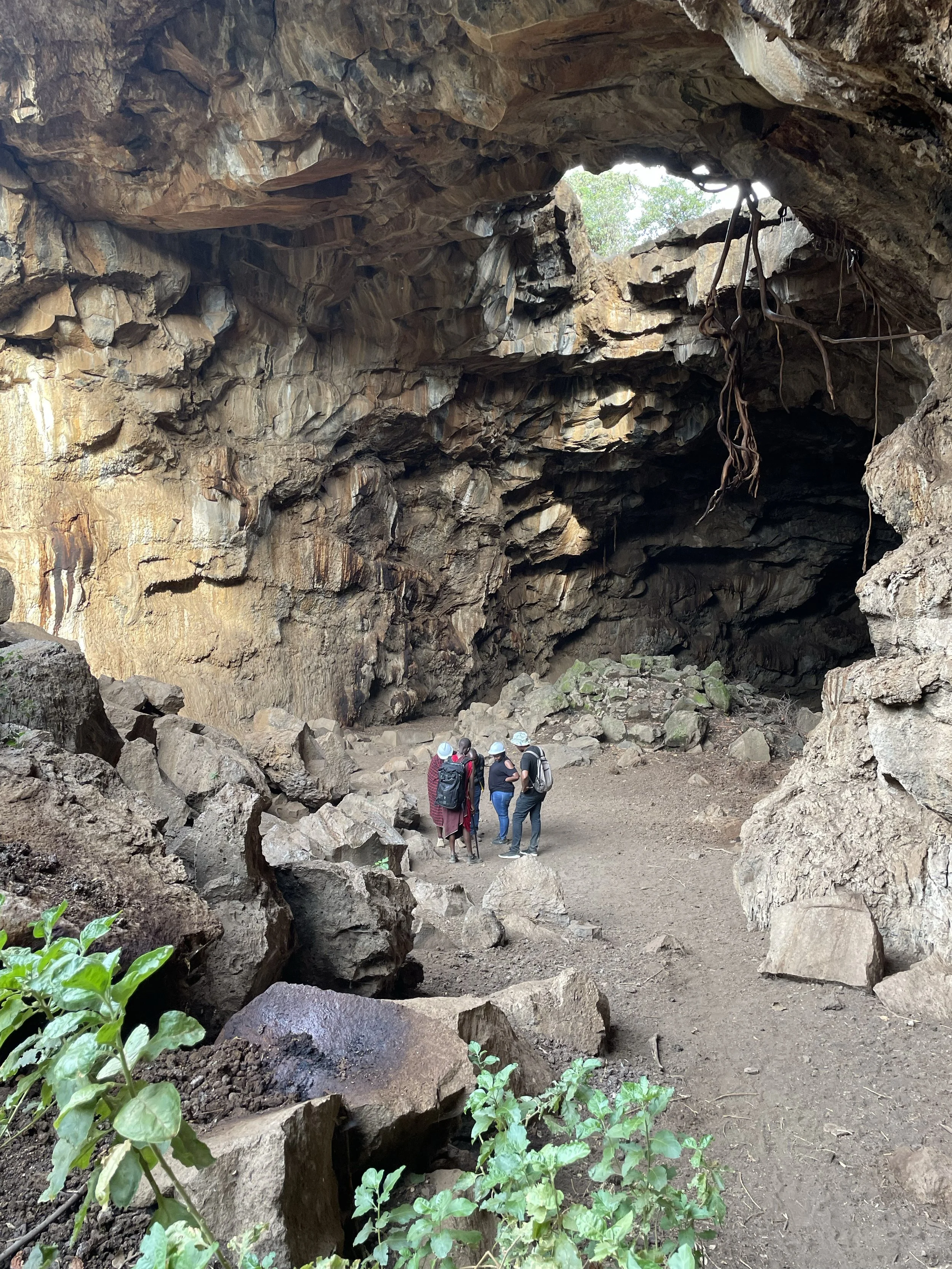
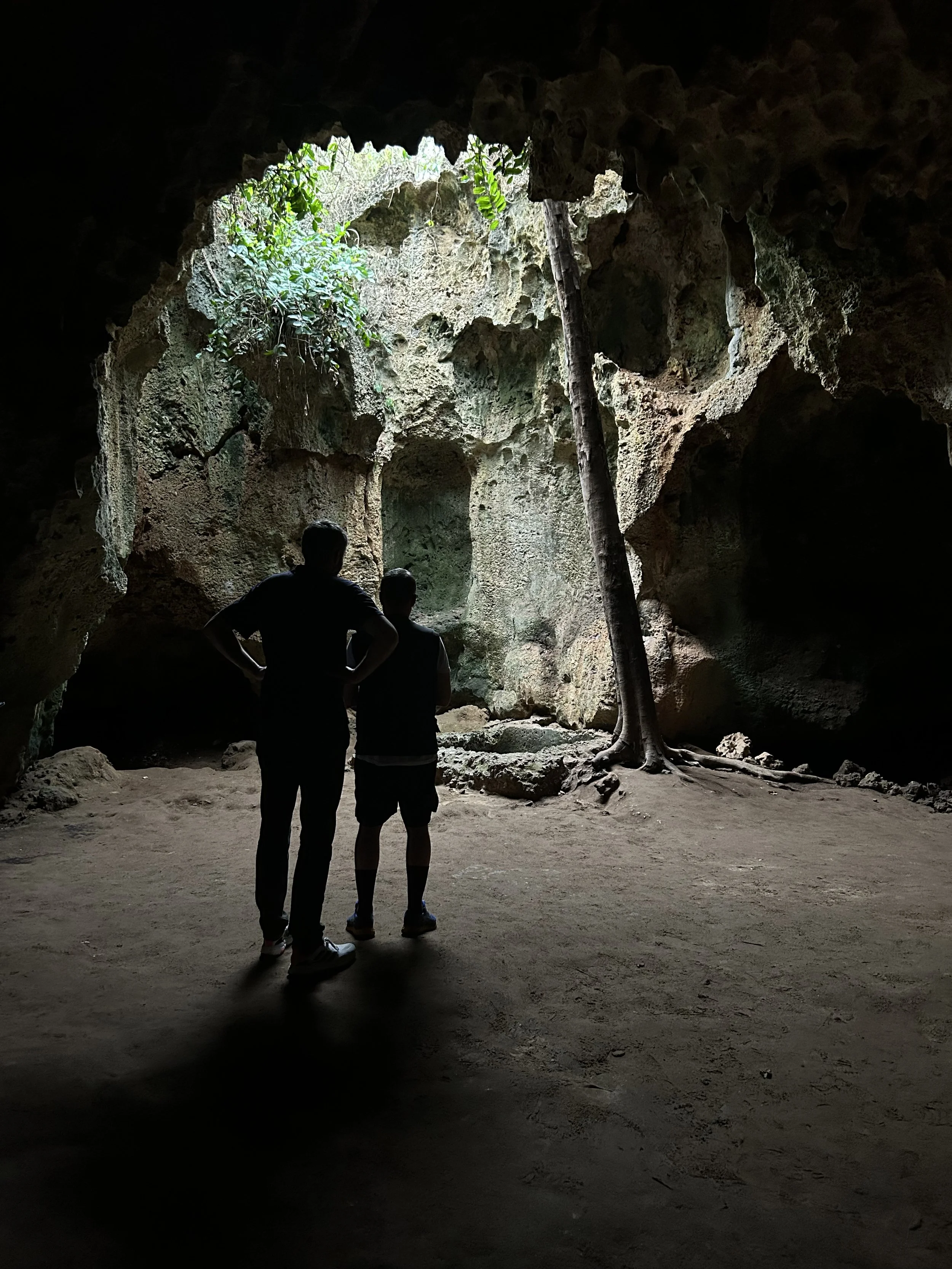
I still remember standing on the edge of a limestone cave outside Nairobi with the architects from Cave_Bureau. The air was thick and still, heavy with heat and time. Inside the cave, the light shifted slowly across the stone walls as they spoke — about colonial scars, geology, memory, and healing.
This wasn’t architecture in the conventional sense.
It wasn’t about form, function, or materials brought in from elsewhere.
It was about what was already there.
The cave wasn’t treated as an object to be redesigned, but as a presence to be understood. A space shaped over thousands — sometimes millions — of years. A place that had witnessed human emergence, ritual, displacement, and survival. Listening to them, it became clear that this work wasn’t just architectural practice — it was resistance, translated into spatial thinking.
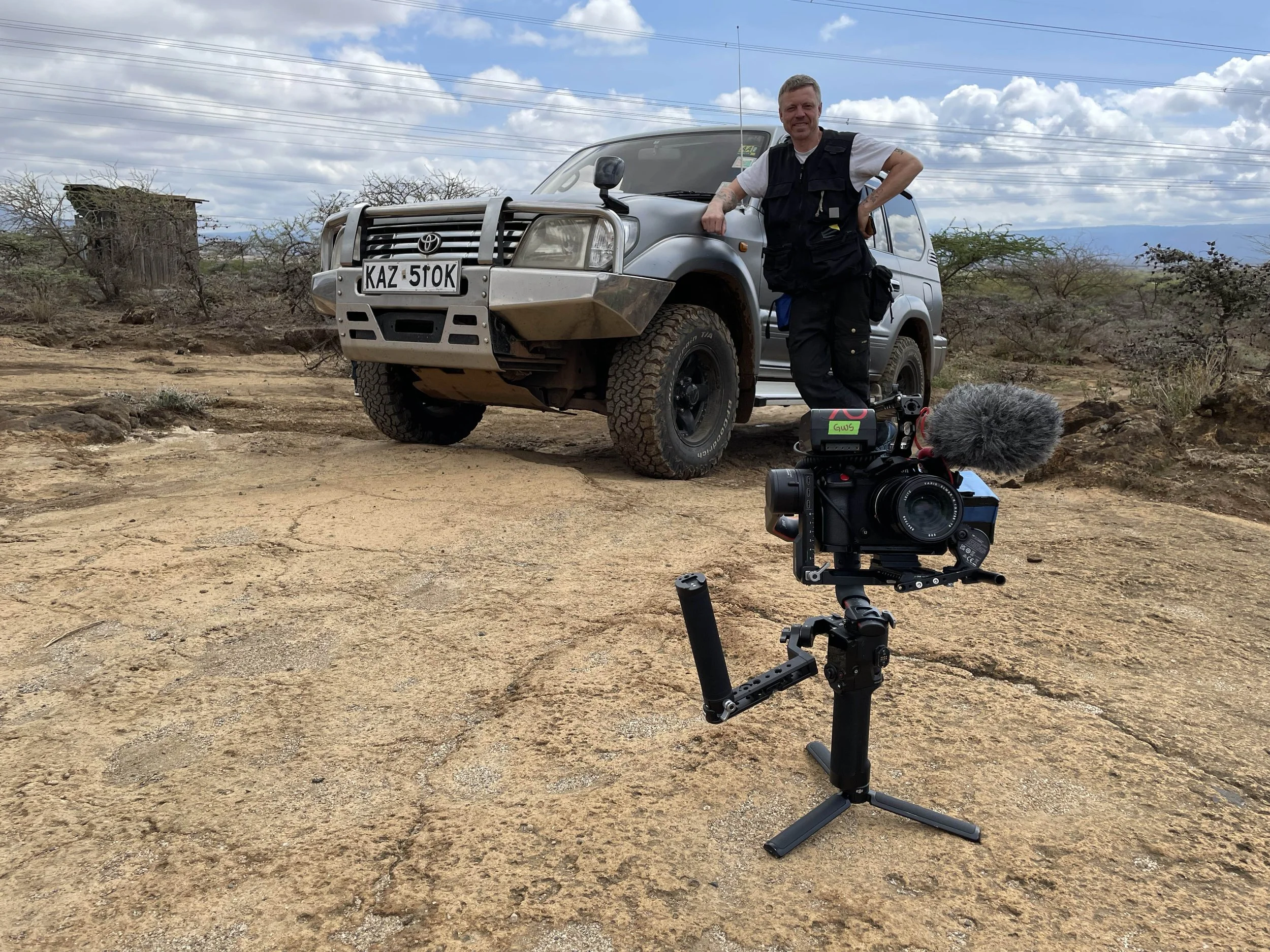
Filming that project felt like standing at the intersection of something urgent and something ancient. I was carrying a camera, but it felt less like a recording device and more like a compass. Every decision — where to stand, when to move, when to stay still — felt loaded with responsibility. The light bouncing off the stone walls wasn’t just illumination; it was information.
Those walls had seen centuries of presence and absence. Long before blueprints, before borders, before extraction. I knew, instinctively, that I wasn’t there to document a building. I was there to help translate a way of thinking — about land, power, restraint, and care.
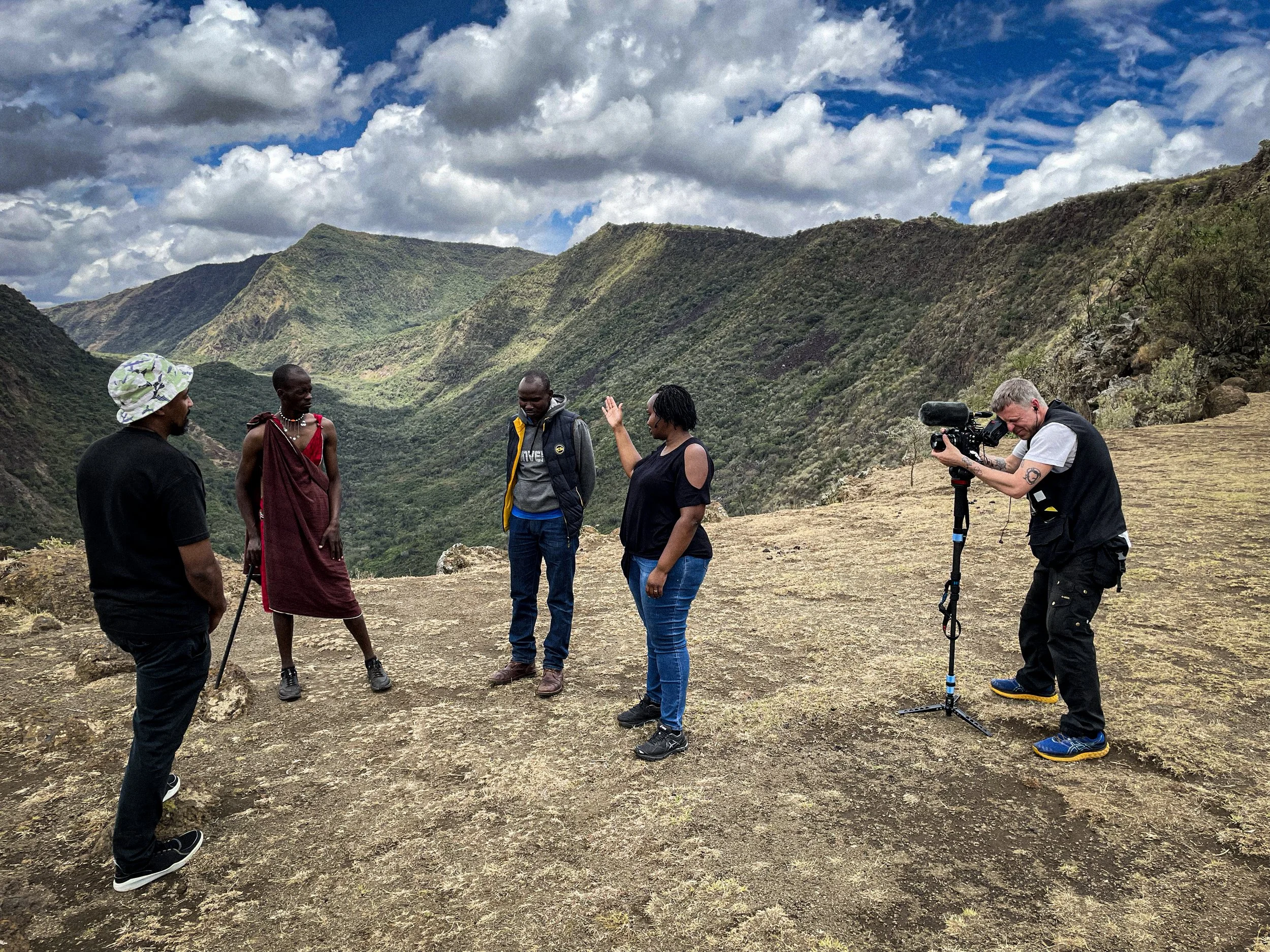
The cradle of mankind
It changed something in me.
That experience clarified what I wanted Goodwind Studio to stand for:
not adventure as spectacle, but adventure with meaning.
Stories rooted in place.
Projects that slow you down rather than speed you up.
Work that asks questions instead of offering easy answers.
Sometimes the most radical act isn’t to build something new —
but to stand still long enough to understand what already exists.
And to listen.